

Empower Modern Animal Husbandry with RFID Ear Tags

The development of animal husbandry has realized intelligent breeding management by adopting IoT and RFID technologies, which rapidly boosts production capacity and drives the high-speed development of agriculture and animal husbandry. To reduce economic losses and ensure food health and safety, numerous breeding enterprises have adopted intelligent animal husbandry solutions based on RFID electronic ear tags to implement intelligent and scientific management of livestock and achieve full information traceability.
Each livestock is equipped with an electronic ear tag bound to its identity information, including breed, origin, age, vaccination records, date of birth, health status, breeder information and more. Ear tag readers are used to track and collect real-time activity data of livestock. In case of any abnormal conditions, managers can quickly identify the root causes via stored data and carry out timely prevention and control measures.
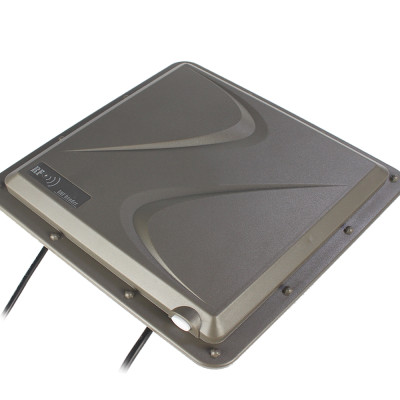
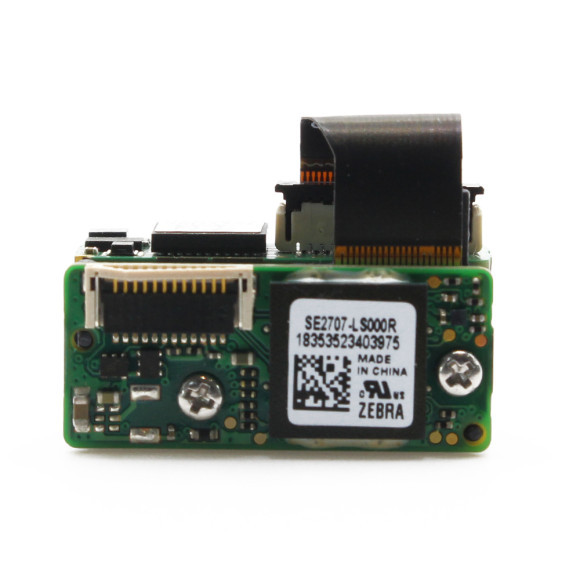
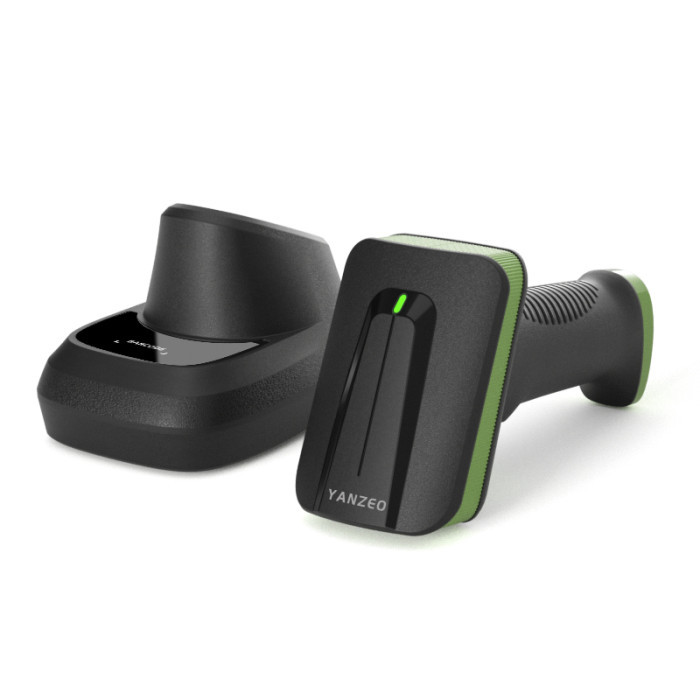
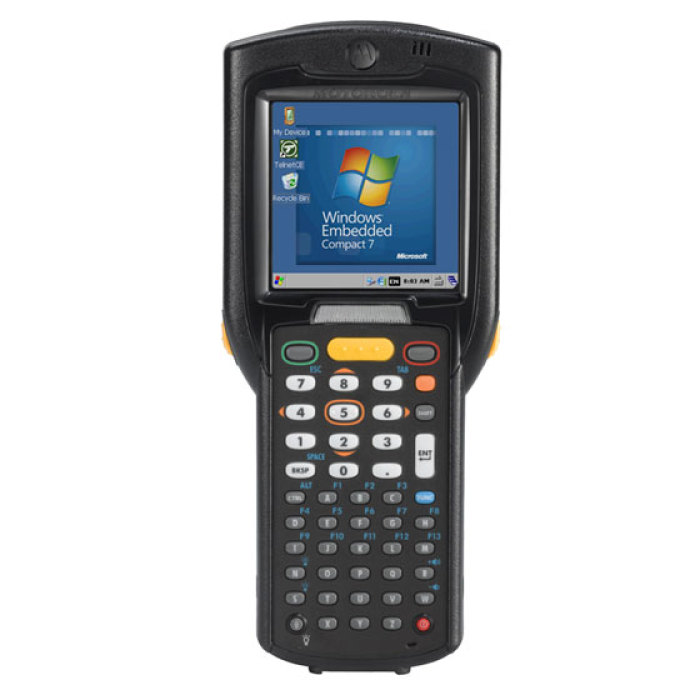
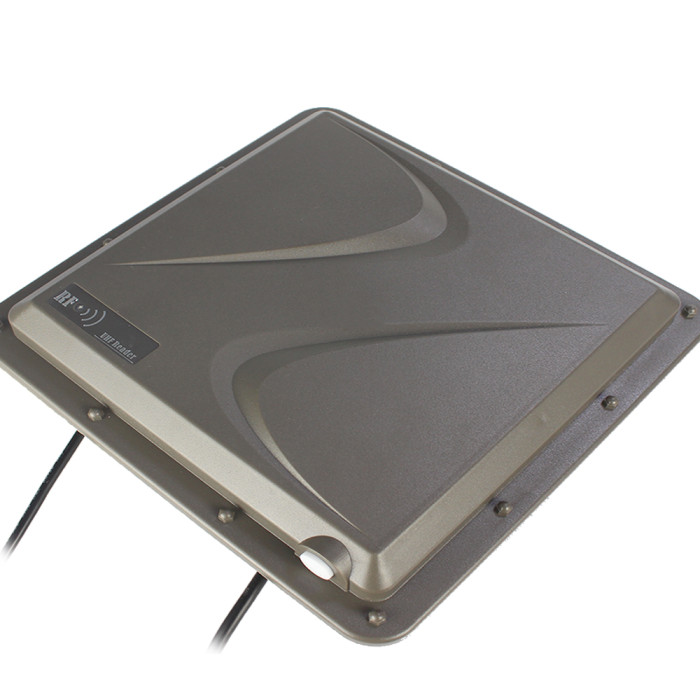
The RFID electronic ear tag solution for animal husbandry mainly consists of electronic ear tags, ear tag readers and software systems. Livestock breeders can either carry wireless handheld terminals or install fixed ear tag readers at passages for cattle, sheep and other livestock. These devices can identify ear tags of targeted livestock, enabling quick inquiry of relevant animal information, real-time management, and effective improvement of the overall quality and efficiency of livestock farming.

Application Scenarios
Animal Traceability Management
Leveraging communication networks, RFID technology, embedded devices, smart cards and databases, the system connects all links including immunization collection, origin quarantine, road supervision and slaughter quarantine. It records and tracks core business data of livestock and livestock products in real time, realizing full-process supervision and traceability covering breeding, circulation, slaughter and sales. It enables cross-department information interconnection and guarantees meat food safety.
Import & Export Epidemic Prevention Management
With RFID radio frequency identification technology, ear tags are assigned to imported cattle, sheep and other livestock. Fixed ear tag readers installed at entry and exit passages automatically collect tag data and transmit it to the background management system. This supports categorized epidemic prevention management and effectively controls diseased livestock from the source.
Estrus Monitoring Management
Fitted with electronic ear tags, livestock data is collected by RFID readers to monitor real-time status of each cattle and sheep, including rumination, feeding behavior, activity level and resting time. The system can accurately identify exact estrus time, facilitating timely and efficient artificial insemination, boosting herd reproduction rate and increasing economic benefits for pastures.
Intelligent Weighing and Grouping Management
RFID ear tag readers installed at intelligent weighing and sorting stations acquire tag information to realize refined intelligent grouping. Real-time weight measurement allows timely adjustment of feeding plans, which helps elevate peak milk yield, daily peak milk production and total lactation output, and improves the conception rate of next breeding.
Intelligent Feeding Management
RFID electronic ear tag readers deployed at feeding stations collect livestock identity, weight, feeding time and duration. This prevents redundant feeding, controls feed intake, realizes refined feeding management, ensures healthy growth and achieves standardized slaughter scheduling.
Intelligent Passage Inventory Management
Electronic ear tag readers installed at passage gates automatically collect livestock ear tag data, enabling real-time and clear tracking of each animal’s movement status such as pen returning and delivery out of farms.
Intelligent Milking Parlor Management
Antennas and ear tag readers are installed at cow positioning areas of milking parlors to collect data from cattle ear tags, including individual identity, weight, historical milking time and milk yield. The system matches cow IDs accurately with milking records, improving inspection efficiency and data accuracy while avoiding repeated milking and unnecessary time waste.