
Home / Solutions: Airport Customs Baggage Inspection
Airport Customs Baggage Inspection
Airport Customs Baggage Inspection
This airport customs RFID suspicious baggage inspection system integrates UHF passive RFID identification, X-ray image fusion, face recognition, Wi-Fi wireless transmission and channel early warning technology.
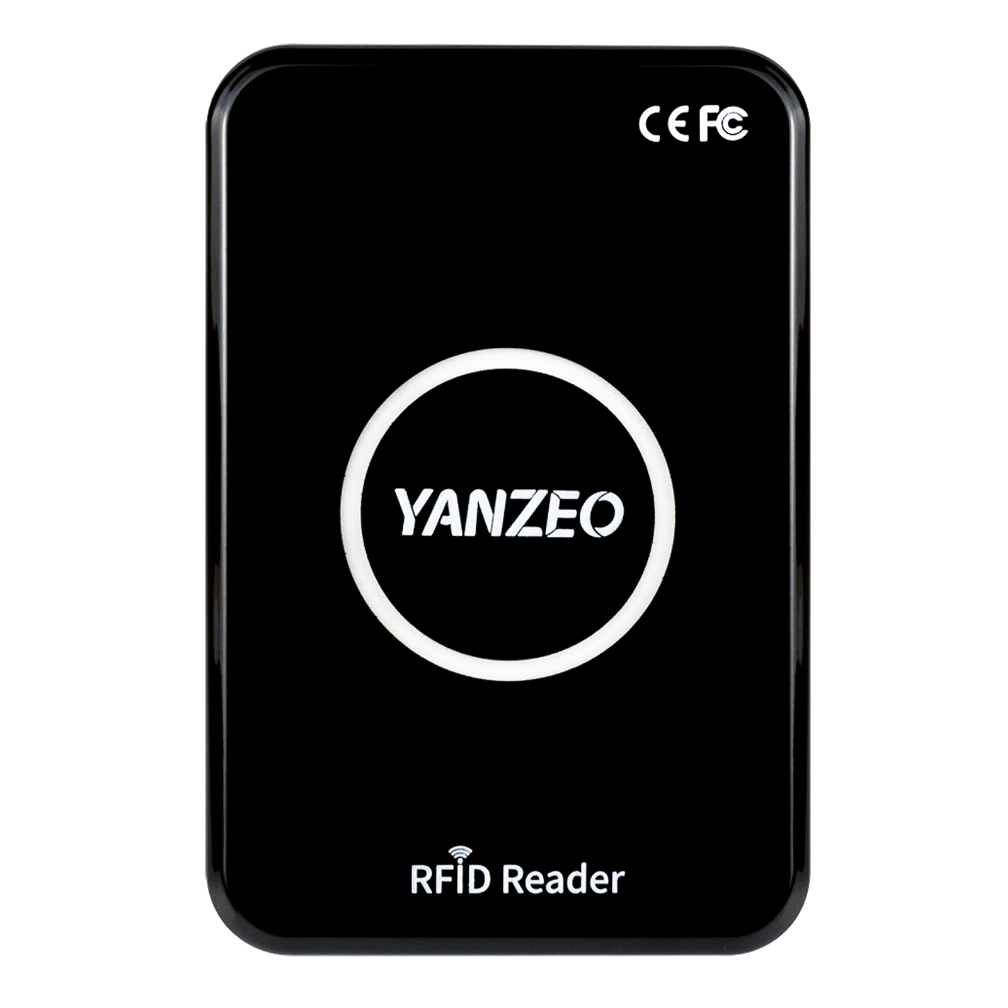
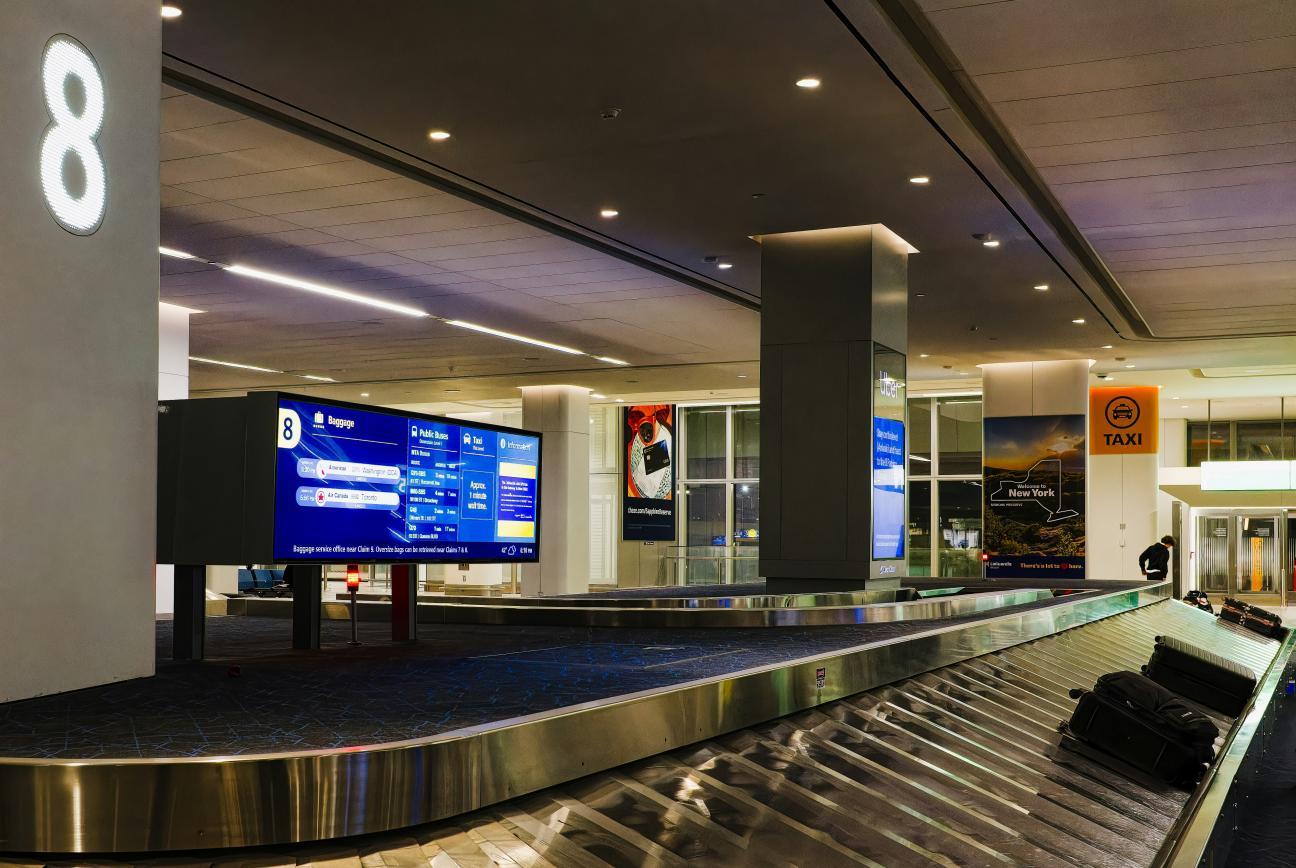
Disposable adhesive RFID tags are attached to baggage flagged by X-ray screening, linking tag IDs with baggage photos and scanning images. Fixed RFID reading gates and portable handheld terminals are deployed at baggage carousels, pickup areas and customs inspection channels.
The platform connects with existing customs business systems, automatically tracks the whole movement path of risk baggage, triggers sound-light interception alarms when suspicious baggage enters passenger exit channels, supports real-time personnel identity verification and case filing, balancing strict customs supervision and smooth passenger clearance efficiency.
I. Pain Points of Traditional Airport Customs Baggage Inspection
1.1 Difficult real-time tracking of pre-screened suspicious baggage
After X-ray preliminary screening, risk baggage only relies on manual marking. Staff cannot continuously track baggage movement on carousels and pickup zones. It is easy to lose target baggage before passengers pick them up, leading to missed inspections and hidden entry risks.
1.2 Slow manual matching of baggage and passenger identity
Traditional inspection requires manual comparison of luggage and passport information one by one. During peak arrival hours, inspection channels get congested, severely reducing passenger clearance experience and overall throughput.
1.3 Disconnected baggage image and inspection record data
X-ray scanning pictures, baggage appearance photos and on-site inspection logs are stored separately without unified association. It is hard to form complete electronic evidence chains for subsequent review, traceability and audit.
1.4 High probability of tag cross-reading & inaccurate positioning
Multiple luggage stacked in the pickup area cause signal interference with ordinary identification methods. Customs officers waste much time searching for labeled suspicious baggage across crowded passenger zones.
1.5 Lack automatic interception & real-time alarm mechanism
No automatic reminding when risk baggage enters exit passages. Officers can only rely on manual patrols, which delays interception and allows contraband to pass customs unchecked.
1.6 Isolated customs internal business data
Baggage inspection, passenger identity, blacklist and on-site supervision systems operate independently without data synchronization, requiring repeated manual information entry and statistics.
II. Solution Overview
2.1 One-time RFID tag binding for X-ray flagged baggage
After customs officers identify suspicious items via X-ray equipment, disposable passive RFID labels are pasted on corresponding luggage. The system automatically associates tag unique ID with X-ray scan images, baggage appearance photos and preliminary risk records, forming integrated digital files. Tags are single-use without recycling to simplify on-site operation.
2.2 Full-area RFID reading network layout
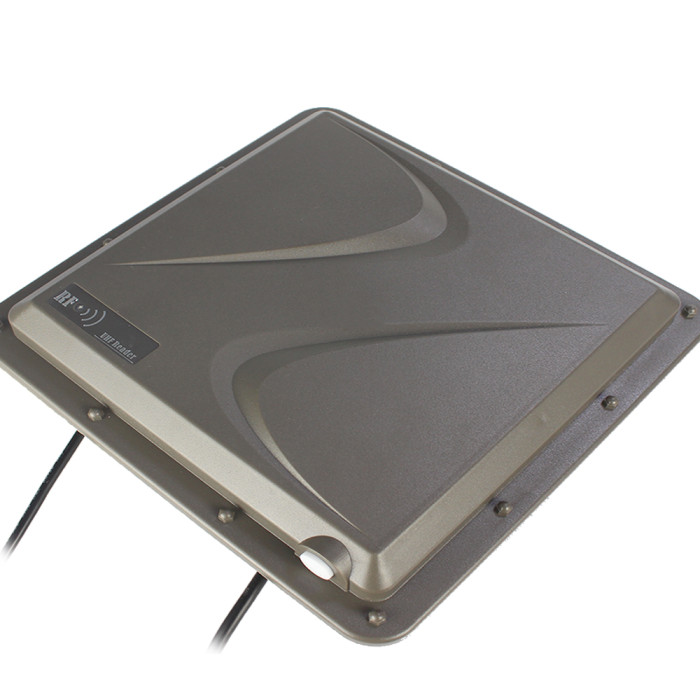
Fixed integrated RFID channels are installed at baggage carousels, pickup zones and all customs exit passages. Optimized anti-collision reading algorithms effectively reduce tag cross-reading interference, realizing accurate positioning of labeled risk luggage within monitoring coverage.
2.3 Passport verification & face recognition linkage control
Passengers swipe passports at self-service exit gates, and the system automatically completes face comparison with passport information. Blacklist personnel trigger gate locking and on-site alerts, realizing dual supervision of people and their baggage.
2.4 Channel automatic interception & sound-light early warning
When RFID equipment detects tagged suspicious baggage entering exit channels, cameras automatically capture passenger-luggage images, and on-site sound-light alarms activate while gates lock temporarily. Large display screens instantly show which channel contains risk baggage for quick officer disposal.
2.5 Portable handheld terminal auxiliary inspection
Wireless handheld reading devices support on-site tag scanning to quickly pull up matched X-ray images and baggage data. Officers record unpacking inspection, confiscation and tax processing results on the terminal, synchronizing all records to the central database in real time.
2.6 Seamless docking with customs existing information platform
The system reserves standard data interfaces to realize bidirectional data sharing with internal customs management, blacklist and border control systems. All baggage supervision records are permanently archived, supporting batch statistical reports and post-event compliance audit.
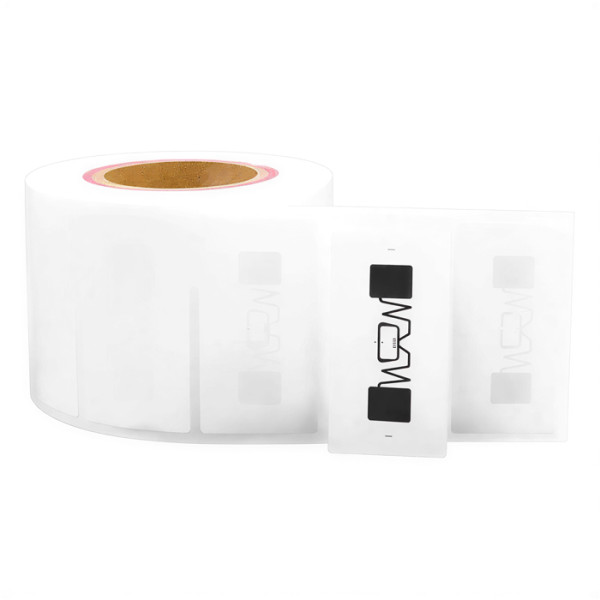
●Chip: U8/U9
●Size: 100*50mm
●Long Range about 12m
●warehouse management, garment management, logistics etc.
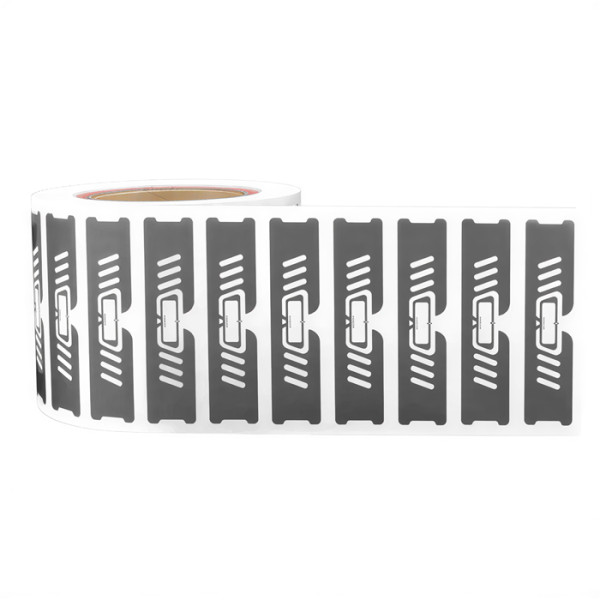
●Chip: U8/U9
●Size: 96×22mm
●Induction distance: about 11m
●Commidity manangement,logistics, etc.
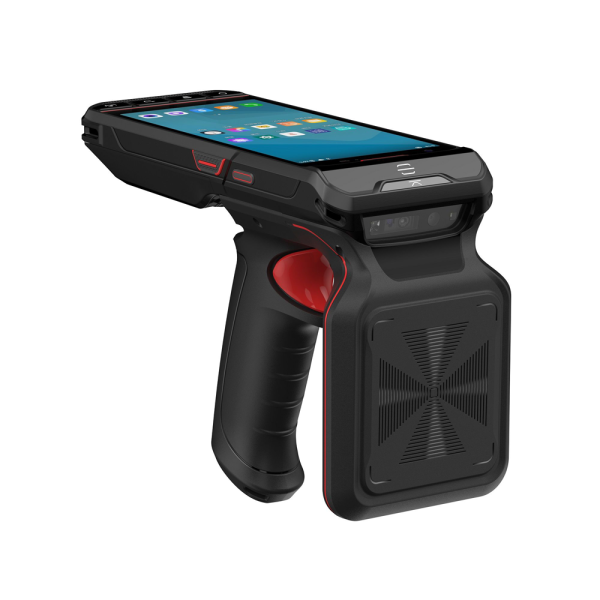
● Android 10 Mobile Computer
● 1D 2D &DPM Barcode Scanning,
● Long Range & High-speed UHF RFID Reading(Impinj E710 )
● Bluetooth, Camera, 10000mAh Battery with Patented Design
● Ultra Rugged, IP68 Sealing and 1.2m drop to concrete
● Used in Retail,Warehousing,Logistics,Inventory
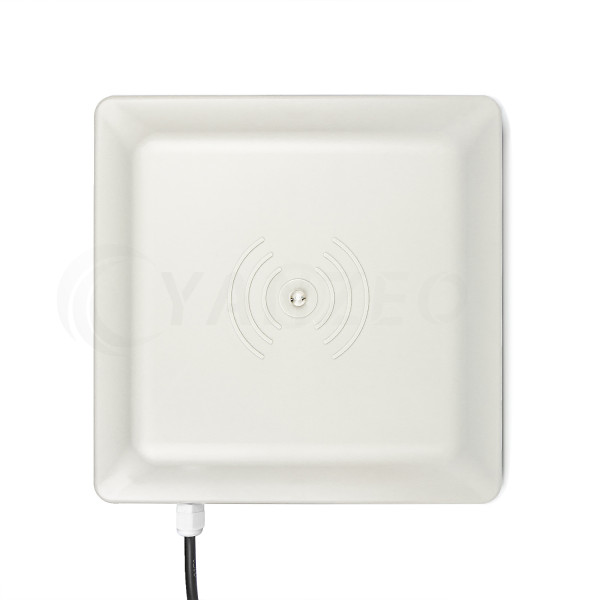
6m Long Range Outdoor IP67 8dbi Antenna RS232/RS485/Wiegand Output
Contact Person

- Full Name:
- Sunnee
- Tel:
+86 18927542630
+86 020-38201771
- Email:
- sales01@yanzeo.com
- WhatsApp:
- 8618927542630
- Address:
- 224# 126, East Ring Road, Zhucun, TianHe District, Guangzhou, Guangdong