

Home / Solutions: Automobile Seat Production Management
Automobile Seat Production Management

Automobile Seat Production Management
This UHF RFID intelligent production line management system for automobile seats deploys anti-metal reusable RFID tags on production molds and seat semi-finished products. Fixed reading equipment is installed at foaming stations, trimming conveyors, overhead storage channels and finished assembly stations, while portable handheld terminals are allocated for warehouse inventory work.
Supported by industrial middleware, the platform realizes automatic binding of mold information, product batches and processing records, covering full links including mold feeding, foaming forming, semi-finished product warehousing, overhead circulation inventory, finished assembly and tag recycling initialization.
It delivers full-process production traceability, automatic anti-misassembly interlock alerts, unmanned warehouse statistics and recyclable tag closed-loop management, solving the low-efficiency and error-prone pain points of traditional manual paper and barcode management under multi-model mixed production mode.
I. Pain Points of Traditional Automobile Seat Production Management

1.1 Barcodes fail to adapt to complex workshop environments with low identification efficiency
The seat production workshop contains metal molds, foam liquid and oil stains. Paper barcodes are easily damaged, stained and unrecognizable. Operators need to stop production for one-by-one scanning, severely restricting production takt under mixed multi-model production.
1.2 High risk of misassembly without automatic matching verification
Multiple seat specifications circulate on one production line. Operators rely on manual comparison of process sheets to match molds and raw materials, frequently causing wrong mold usage and mismatched accessories, which generates massive rework costs.
1.3 Discontinuous full-lifecycle production traceability
Manual paper records cannot link mold numbers, production time, foaming batches and finished seat data. Once quality defects occur, it takes a long cycle to trace the corresponding production station, mold and batch information.
1.4 Heavy manual workload for warehousing and inventory statistics
Semi-finished products are stored in overhead hanging circulation warehouses and ground racks. Full inventory requires manual sorting and counting for several days, with frequent inconsistency between physical goods and account records.
1.5 Unrecyclable identification media increases long-term operating costs
Disposable barcode labels cannot be reused, generating continuous consumable expenses. There lacks a standardized recycling and reset mechanism for product identification carriers.
1.6 Isolated production and inventory data silos
Mold scheduling, foaming production, semi-finished storage and finished assembly records are recorded separately. Repeated manual data entry is required, leading to delayed production progress judgment and inaccurate inventory data.
II. Solution Overview
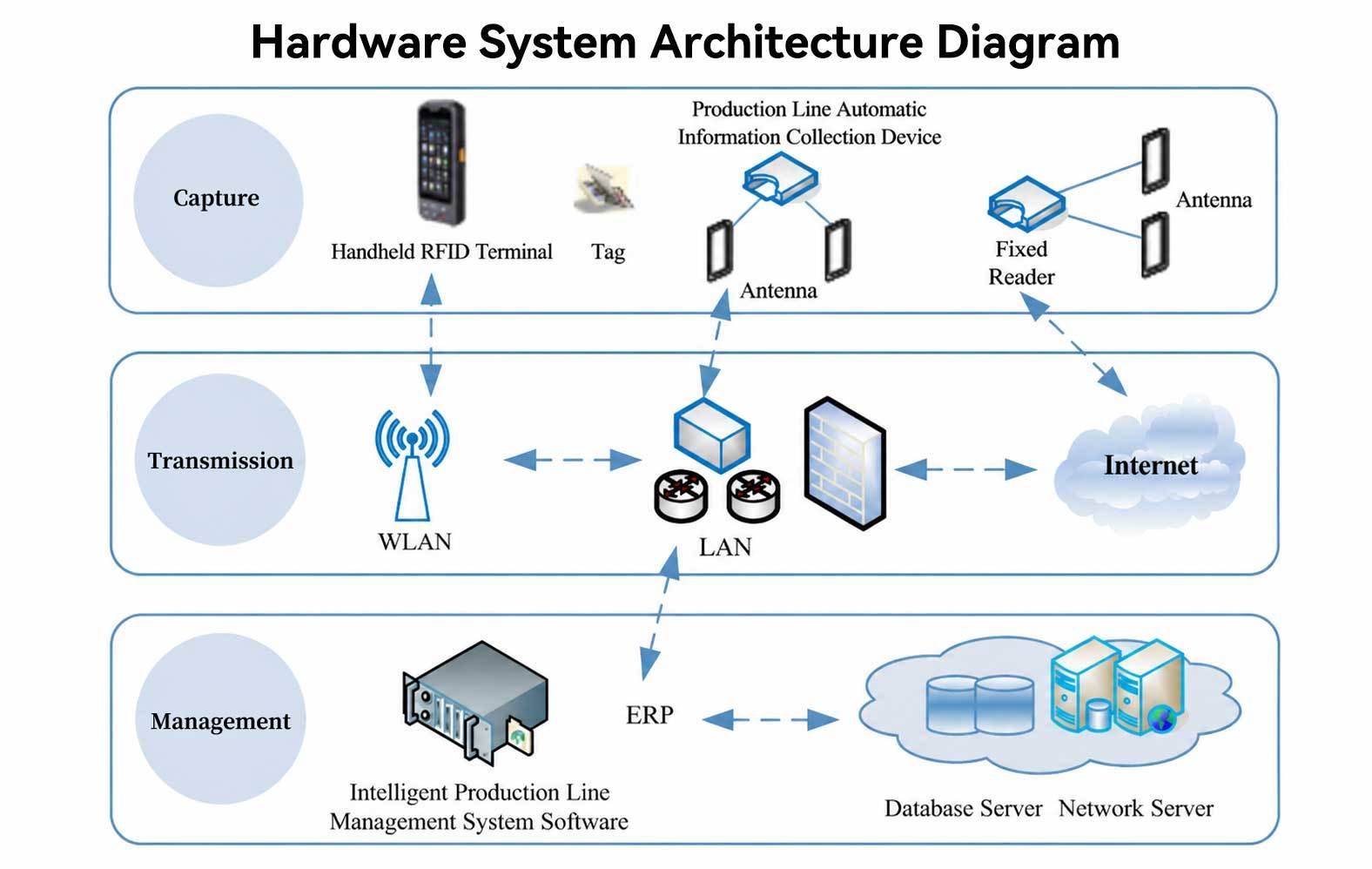
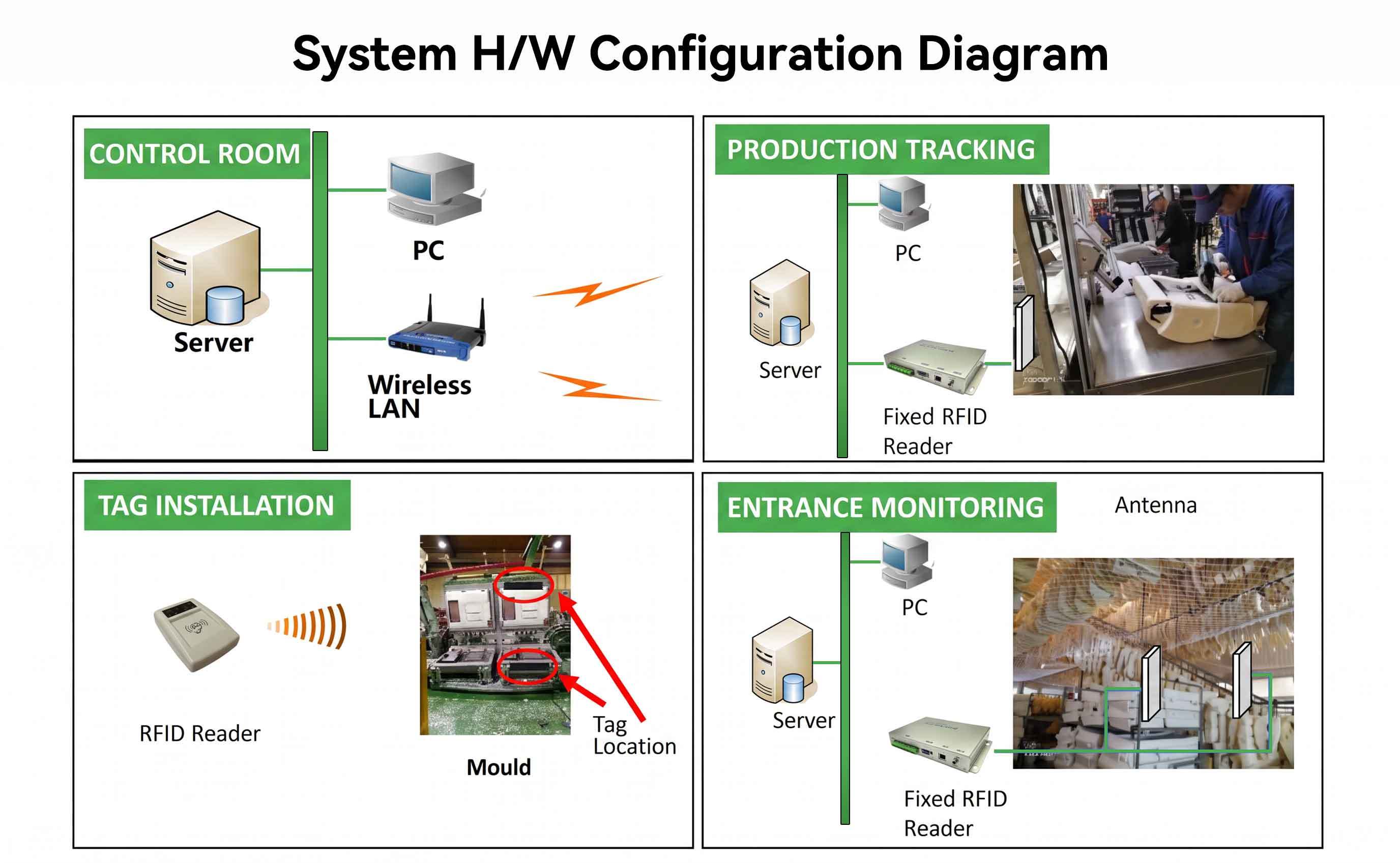
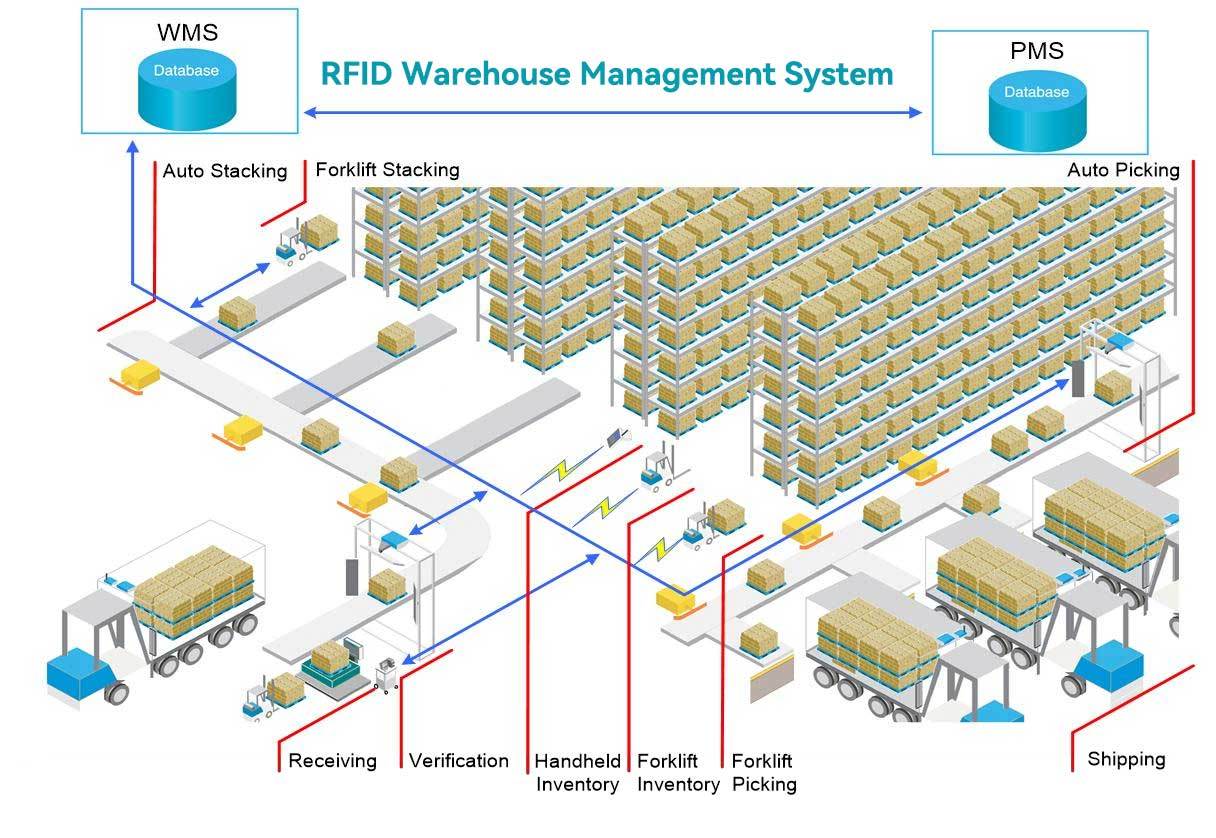
2.1 Dual Tag Unique Binding & Recyclable Closed-Loop Tag Management
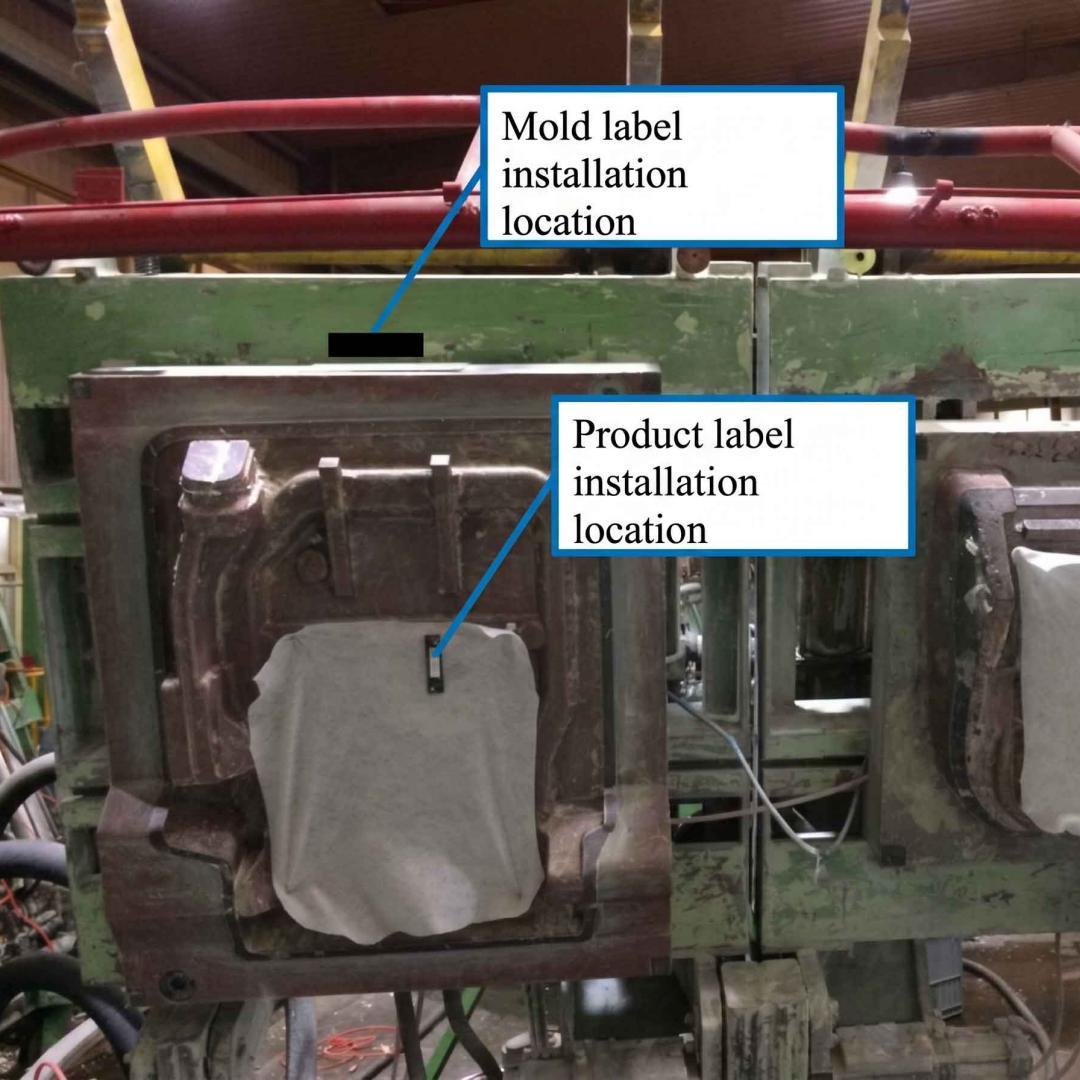
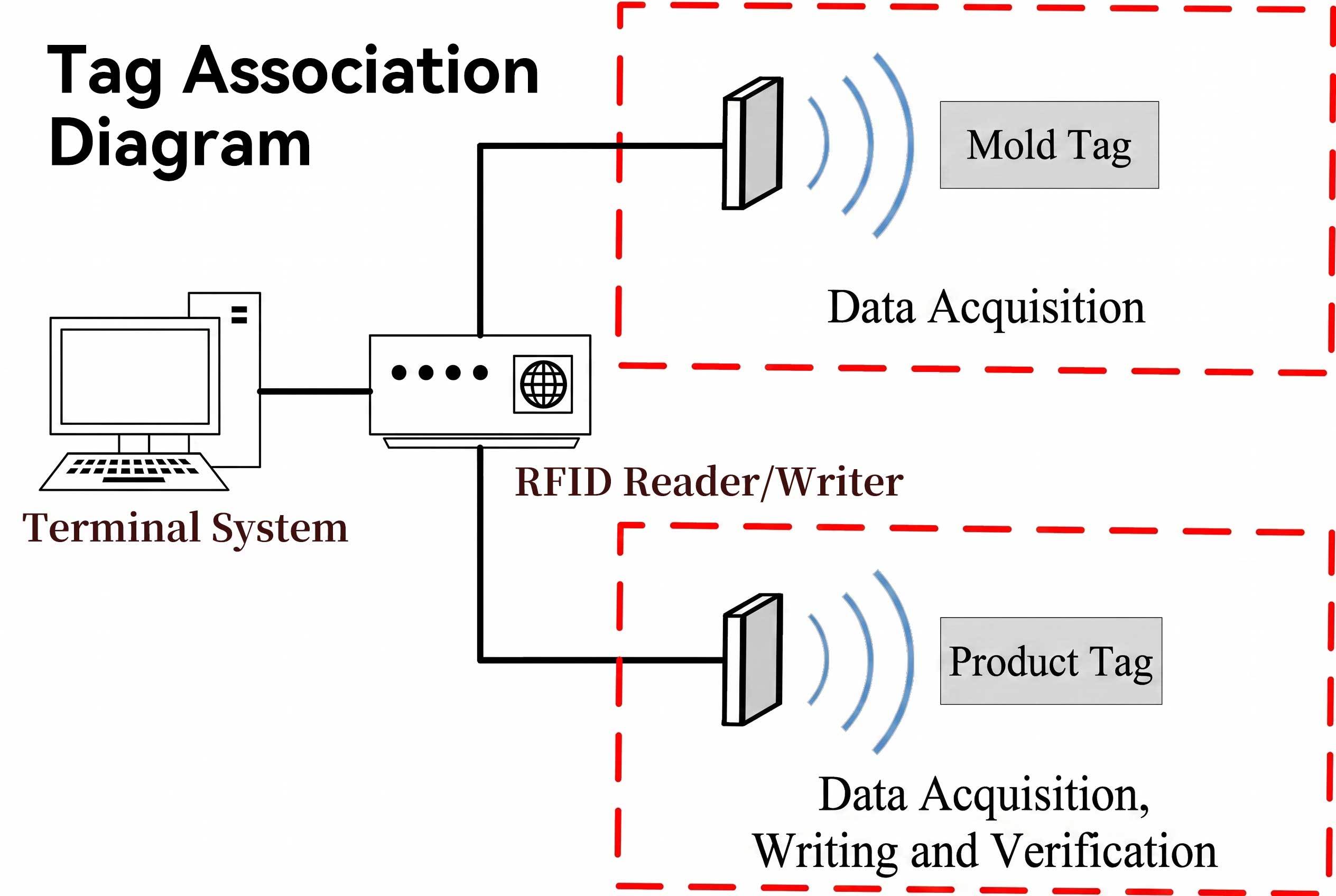
Install anti-metal RFID tags on production molds and foam semi-finished seats separately. Unique mold ID, product model and production timing data will be written into product tags at feeding stations to build permanent data correlation between molds and matching seats. After finished assembly, tags are collected into dedicated recycling bins; built-in readers automatically record finished outbound information and reset tag data for repeated circulation, effectively lowering long-term consumable expenses.
2.2 Full-Station Uninterrupted Automatic Data Acquisition
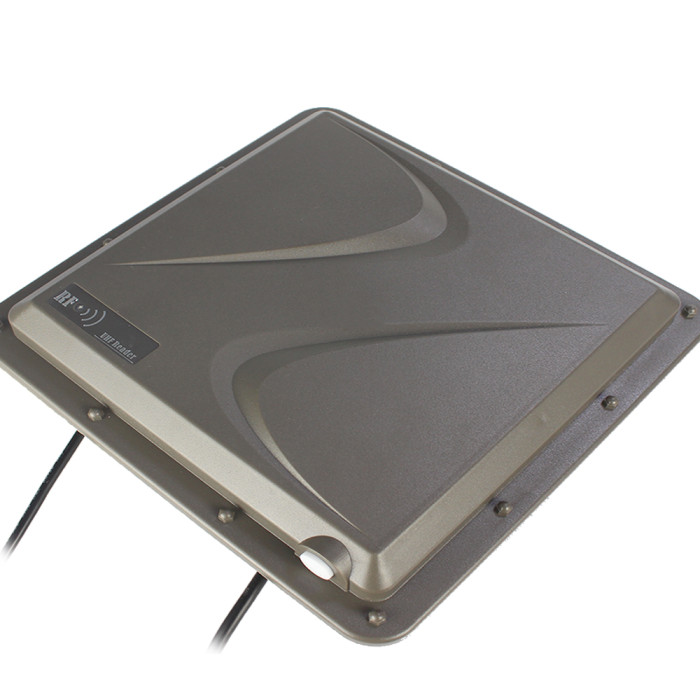
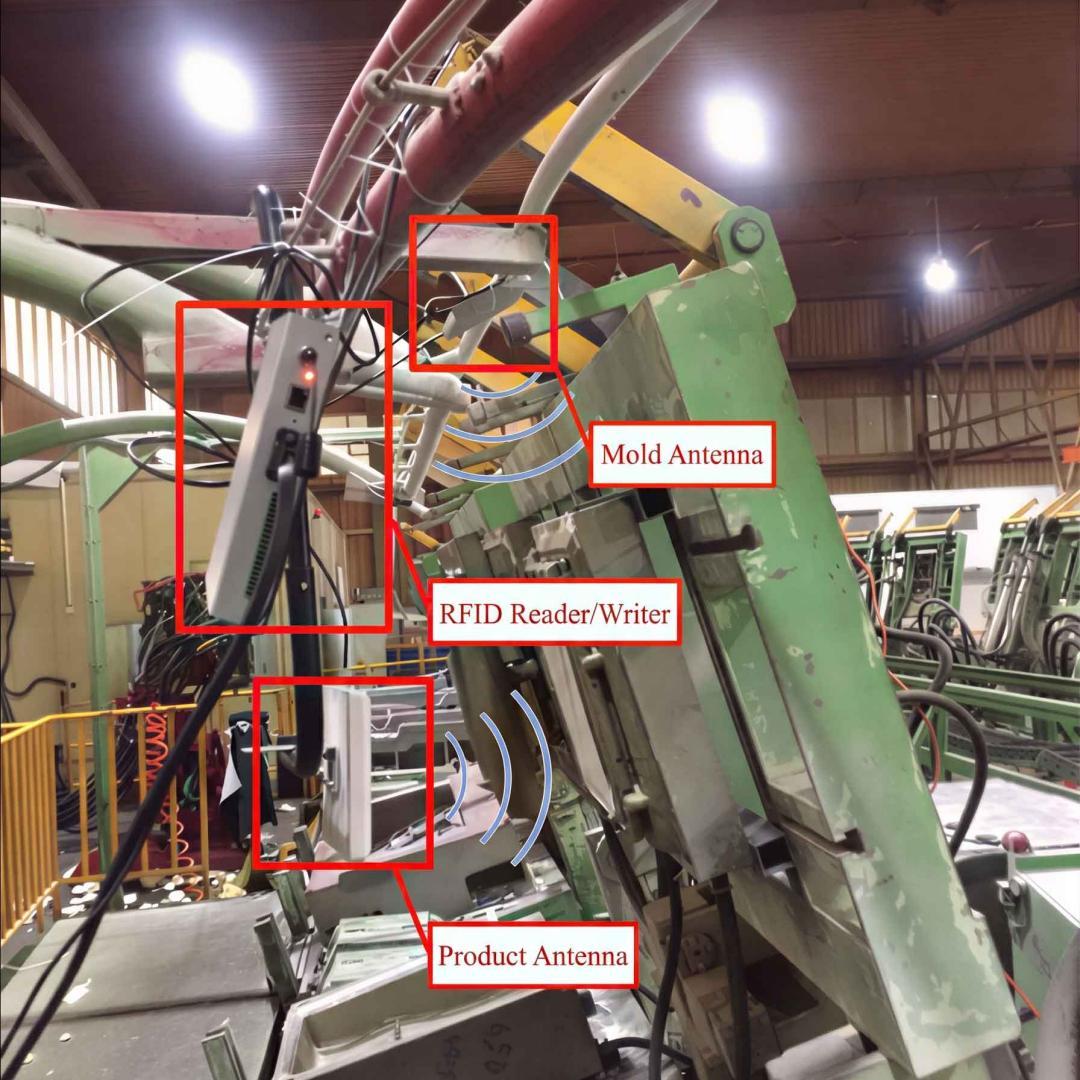
Deploy fixed RFID antennas at foaming stations, trimming conveyor entrances and overhead warehouse circulation lanes. Product data can be captured automatically during conveying without pausing production. Portable handheld terminals are equipped to support flexible spot inspection and ground rack inventory tasks to cover all production and storage links.
2.3 Real-Time Matching Interlock to Prevent Misassembly
The background system cross-checks mold parameters against standard product requirements at each station. Once mismatched molds or supporting accessories are detected, local audio-visual alarms will activate immediately, stopping wrong assembly operations at the source and cutting rework losses caused by specification errors.
2.4 Automatic Warehouse Inventory & Unified Production Data Platform
RFID access gates at trimming outlets auto-update semi-finished warehousing status as products pass by. Readers installed on overhead storage channels realize real-time counting of circulating goods to eliminate manual stocktaking. Industrial middleware aggregates mold scheduling, foaming, storage and assembly data into one management platform, supporting one-click generation of output, inventory turnover and quality trace reports to support production decision-making.
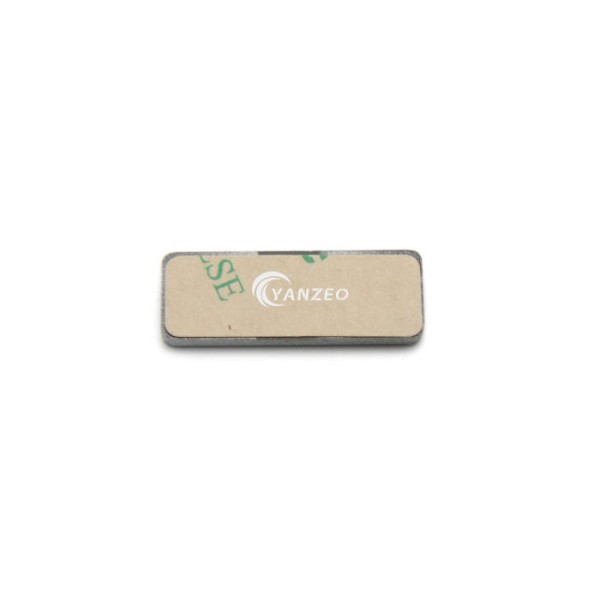
SY09536 RFID UHF Ceramic Tags High Temperature Anti-metal Management
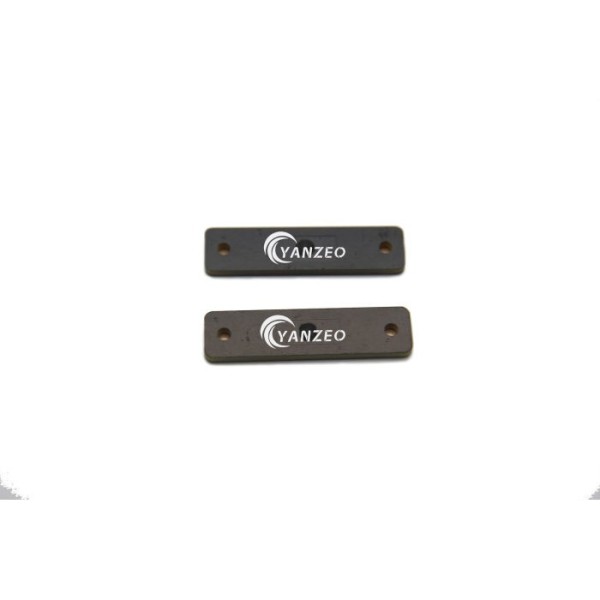
SY09552 RFID UHF Ceramic Tags High Temperature Anti-metal 860~960MHz/EPC
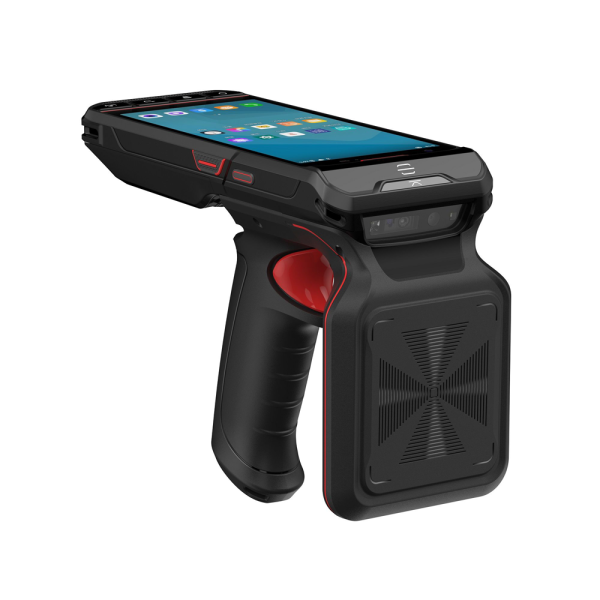
● Android 10 Mobile Computer
● 1D 2D &DPM Barcode Scanning,
● Long Range & High-speed UHF RFID Reading(Impinj E710 )
● Bluetooth, Camera, 10000mAh Battery with Patented Design
● Ultra Rugged, IP68 Sealing and 1.2m drop to concrete
● Used in Retail,Warehousing,Logistics,Inventory
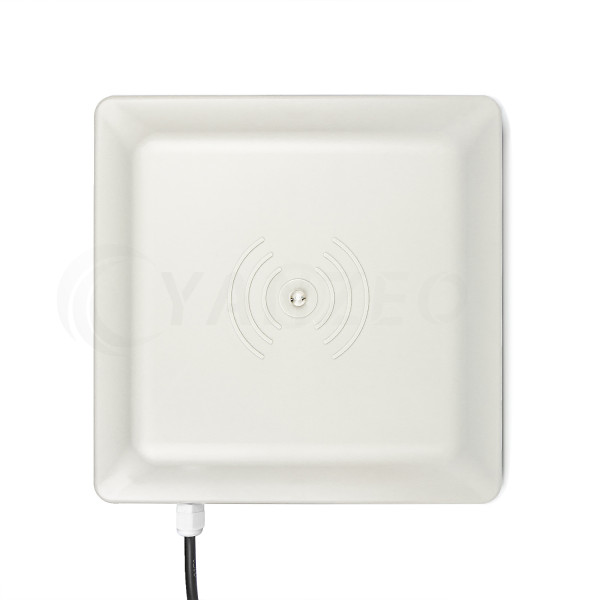
6m Long Range Outdoor IP67 8dbi Antenna RS232/RS485/Wiegand Output
Contact Person

- Full Name:
- Sunnee
- Tel:
+86 18927542630
+86 020-38201771
- Email:
- sales01@yanzeo.com
- WhatsApp:
- 8618927542630
- Address:
- 224# 126, East Ring Road, Zhucun, TianHe District, Guangzhou, Guangdong