RFID knowledge Customers often Ask ( RFID reader writer Section 2)
1. How is the device installed?
The installation of equipment needs to consider the installation method, installation position, installation height, antenna front orientation, and surrounding environment. The quality of installation directly affects the work quality of the reader.
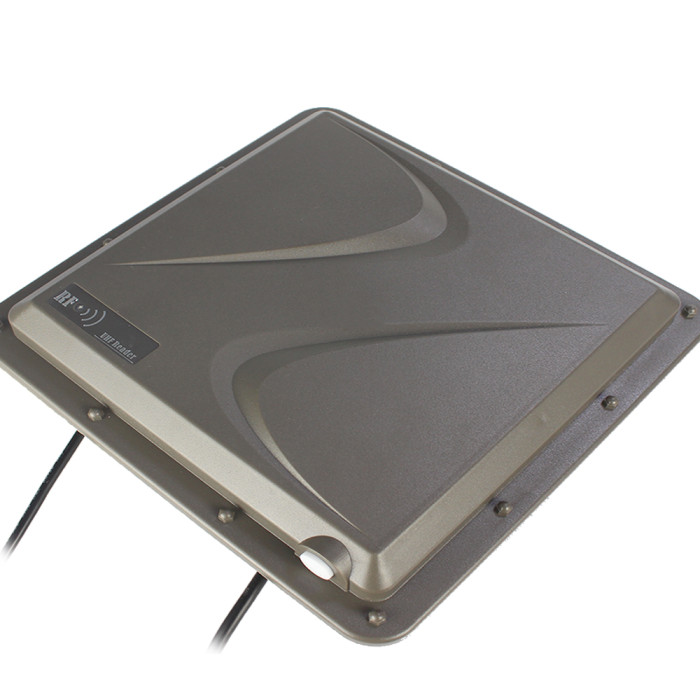
Installation method: The installation of the all-in-one machine or fixed reader/writer antenna can be vertical or horizontal (depending on the site situation). The reader/writer has fixed holes and can be installed in the equipment box. Please pay attention to waterproofing when installing outdoors.
Installation height and angle: The installation height and angle of the antenna for the all-in-one machine or fixed reader/writer should be adjusted according to the on-site situation, and the appropriate height and angle should be selected to make the antenna as close to the label as possible without affecting its use. The direction of the antenna and the direction of the label should be on the same horizontal plane.
Surrounding environment: There should be no obstacles, especially metal objects, on the front of the antenna.
2. Is there a good way to avoid reading too far/too close, string reading or missing reading?
If the reading distance of the device is too far, it can reduce the transmission power and choose antennas with low gain, while if it is too close, the opposite is true.
Serial reading can reduce transmission power, select appropriate antennas, adjust antenna angles, position tags, or add signal shielding layers.
Misreading can increase transmission power, select antennas with high gain, adjust antenna angle, and position tags.
3. How to avoid co frequency interference?
There are three methods to avoid co frequency interference
1. Using frequency hopping
2. Choose different channels
3. Working time interval: Avoid readers and writers working at the same time
4. What development languages do readers and writers support?
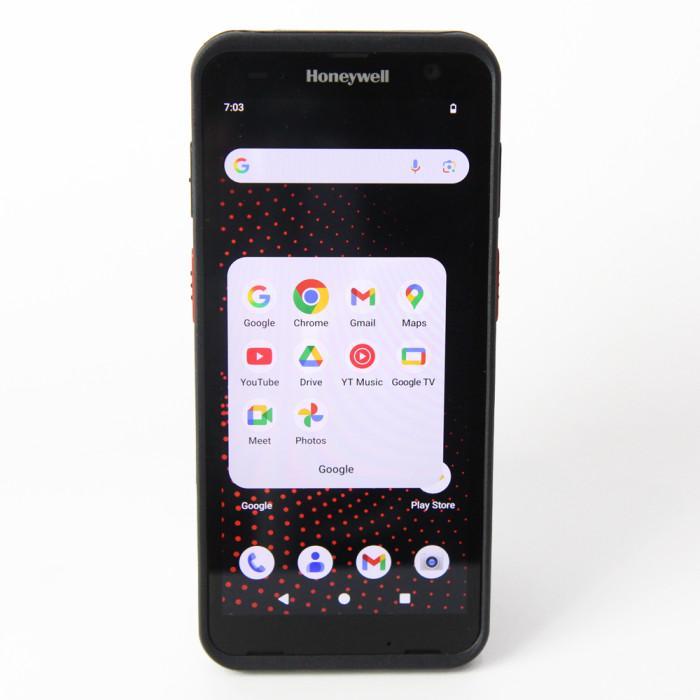
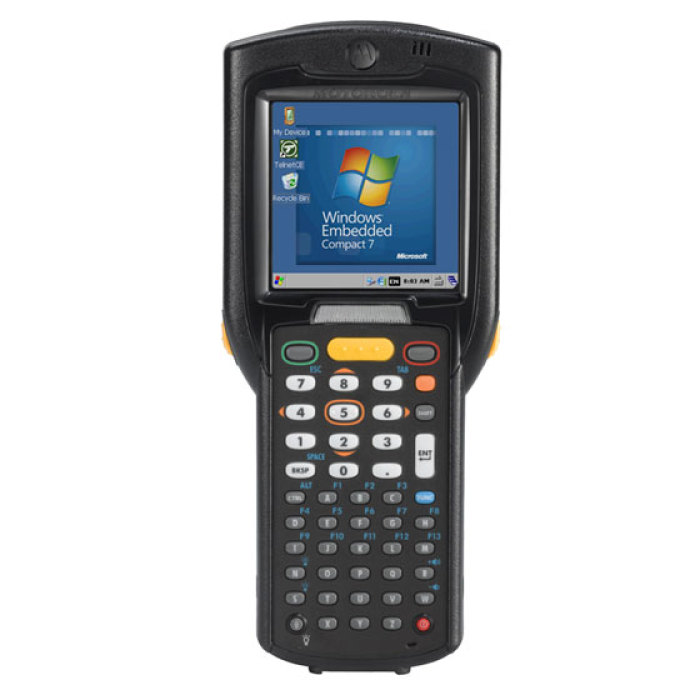
Fixed and integrated readers support C++, C #, and Java development languages. Android handheld devices support Java development language.
5. What is a reader conflict?
The information received by one reader conflicts with the information received by another reader, resulting in overlap.
6. How to resolve reader conflicts?
One way to solve this problem is to use TDMA technology, which means that the reader is commanded to receive signals at different times, rather than simultaneously, ensuring that the readers do not interfere with each other. However, items in the same area will be read twice, so it is necessary to establish a corresponding system to avoid this situation.
7. How does a passive reader work?
After receiving instructions through different interfaces, the reader starts responding to the instructions based on the program already written in the MCU. For example, in card reading instructions, the reader responds to the card reading instruction sent by the upper computer and feeds back the read tag data to the upper computer.
8. How to choose a suitable reader?
-Know which frequency is suitable for our application
Different frequencies have different characteristics, so their uses are also diverse. For example, low-frequency tags save energy compared to ultra-high frequency tags and have stronger penetration force through waste metal objects. They are most suitable for objects with high moisture content, such as fruits. Ultra high frequencies have a wide range of effects and fast data transmission speed, but they are relatively energy consuming and have weak penetration. There should not be too much interference in the operating area, making them suitable for monitoring items transported from seaports to warehouses. When making a choice, it is best to consult relevant experts and suppliers in order to choose the correct RF.
Readers, like tags, need to determine the type and quantity of usage by studying the supply method.
When reading and writing devices, in addition to understanding the requirements of the deployed RFID system for the reader, it is also necessary to understand the characteristics of the reader. You need to determine the model of the RFID reader based on your position in the supply chain, as well as the purpose and location of installing the reader. Choosing the right reader plays a crucial role in successfully implementing other tasks. If the purchasing strategy of the reader is chosen reasonably, it can achieve twice the result with half the effort.
Readers and writers can read label information of different frequencies, and have the functions of filtering data and executing instructions, but the price is relatively high, while readers and writers with fewer functions are cheaper. Choose a suitable reader/writer according to your own needs in specific operations.