

RFID Technology Revolutionizes Document Management
In modern enterprises, document management, as a crucial part of daily operations, directly affects the operational efficiency and information security of the organization. However, many enterprises still rely on traditional methods such as manual classification, storage, and retrieval of paper documents, which are not only inefficient but also lack security. To address these issues, RFID technology has emerged and demonstrated great potential in document management.
RFID technology is a non-contact automatic identification technology that identifies specific targets and reads/writes related data through radio signals without requiring physical or optical contact between the identification system and the target. An RFID system consists of a reader and a transponder (also known as an electronic tag or label), which exchanges data through specific radio wave energy.
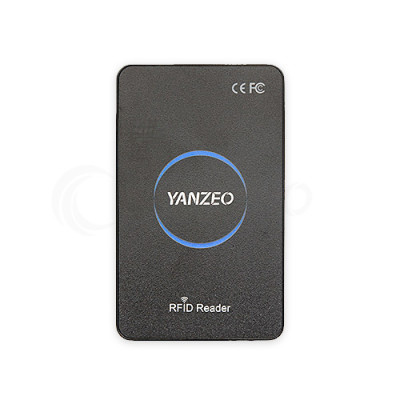
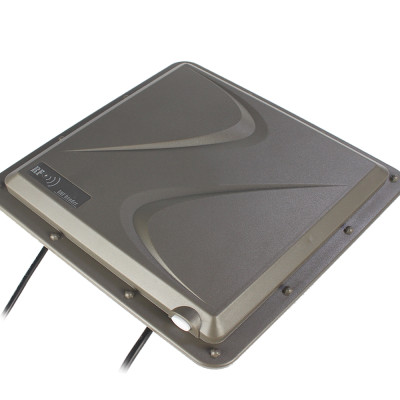
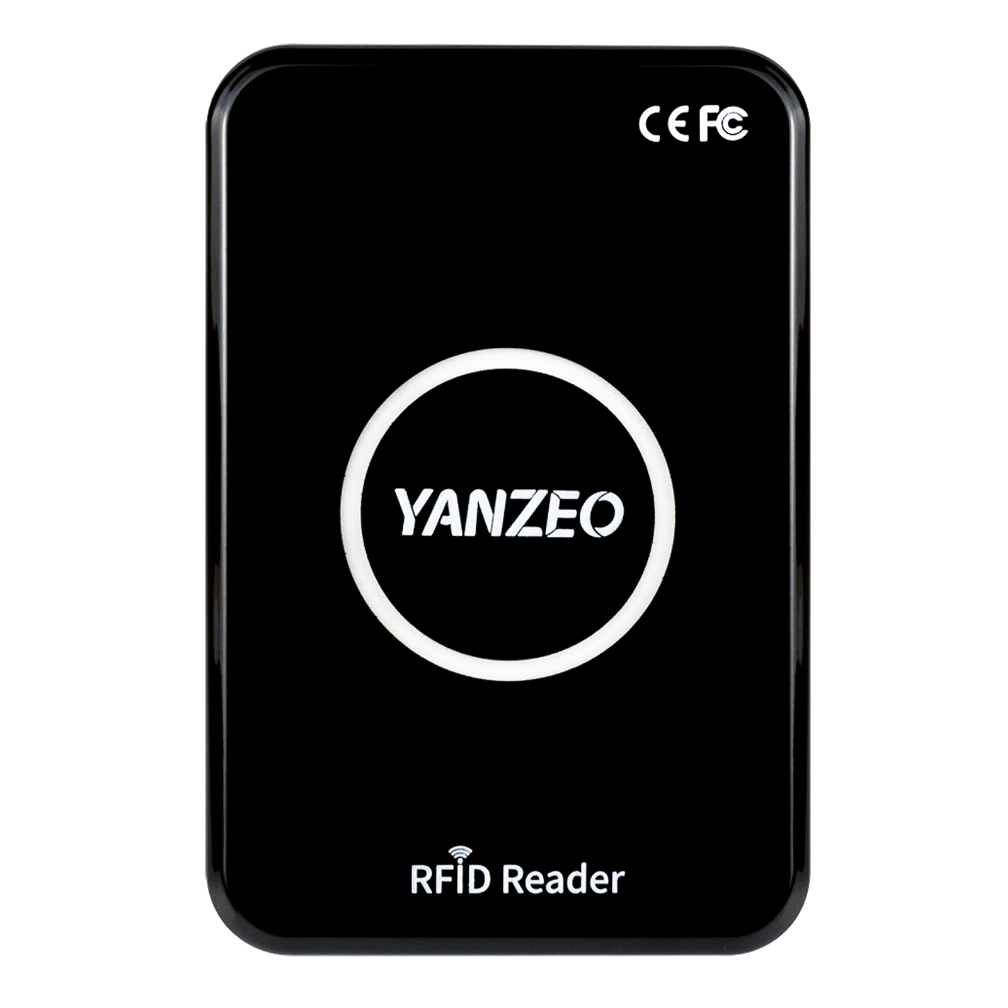
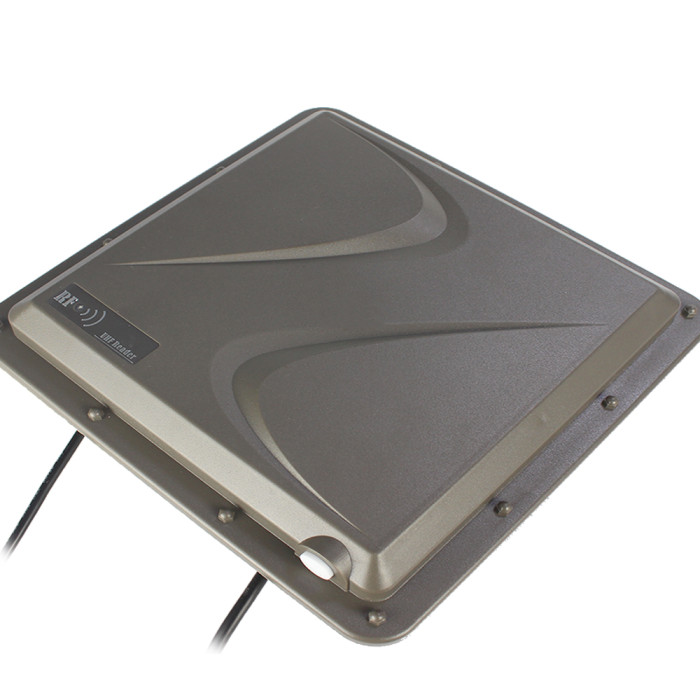
In document management, RFID technology primarily serves to automate file tracking and inventory, enable rapid file retrieval, enhance file security, optimize storage space, and reduce human errors. By attaching RFID tags to documents or folders, file information such as file number, category, and storage location can be stored. RFID readers are installed inside or outside file cabinets to read and write RFID tag information. Additionally, RFID antennas work with readers to transmit energy to tags and receive their responses.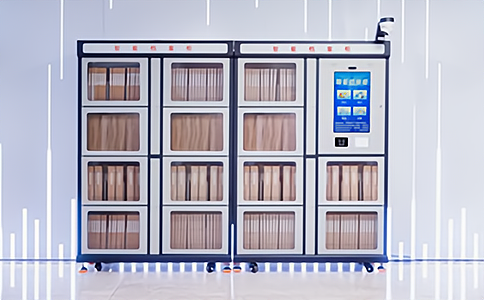
The application of RFID technology in document management offers numerous advantages. Firstly, it enables real-time tracking and automated inventory of files, significantly improving efficiency and accuracy in document management. With RFID readers, multiple file tags can be read within seconds, drastically reducing file retrieval time. Secondly, RFID systems can be integrated with security systems to monitor and alert unauthorized file access, enhancing file security. Furthermore, RFID technology helps managers understand file storage status, optimize the use of storage space, and reduce human errors.
There are numerous successful applications of RFID technology in document management. For example, a court introduced an RFID file cabinet system by attaching RFID tags to each file and installing readers in the file cabinets, enabling real-time tracking and automated inventory of files. This system allows judges and staff to quickly locate required files, significantly improving work efficiency. Similarly, RFID archive management solutions are widely used in libraries, archives, and other institutions, enabling automated management, rapid retrieval, and secure monitoring of archives.
The introduction of RFID technology not only improves the efficiency and security of document management but also lays a solid foundation for the informatization and intelligent development of enterprises. With continuous technological advancements and expanding application scenarios, RFID technology will play a greater role in document management, creating more value for enterprises.
In conclusion, RFID technology, with its unique advantages, is gradually changing the way document management is conducted, making it more efficient, precise, and reliable. In the future, with continuous technological development and further expansion of application scenarios, RFID technology will play an even more significant role in document management.