
RFID Technology Deeply Applied in Cargo Tracking, Ushering in a New Era of Logistics Intelligence
With the rapid development of globalization and informatization, the logistics industry faces unprecedented challenges and opportunities. To improve transportation efficiency, reduce operating costs, and enhance customer satisfaction, logistics enterprises are continuously exploring and applying new technologies. Among them, RFID technology, with its unique automatic identification and data exchange capabilities, is being deeply applied in the field of cargo tracking, bringing revolutionary changes to the logistics industry.
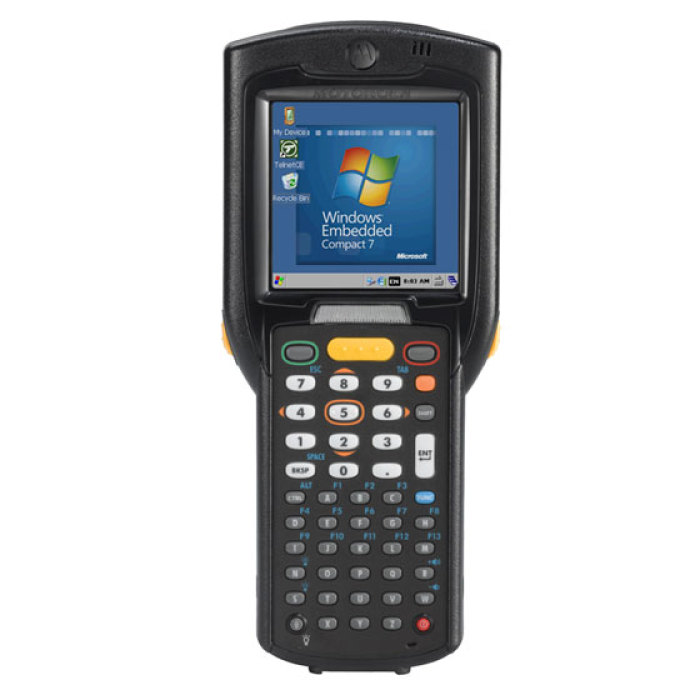
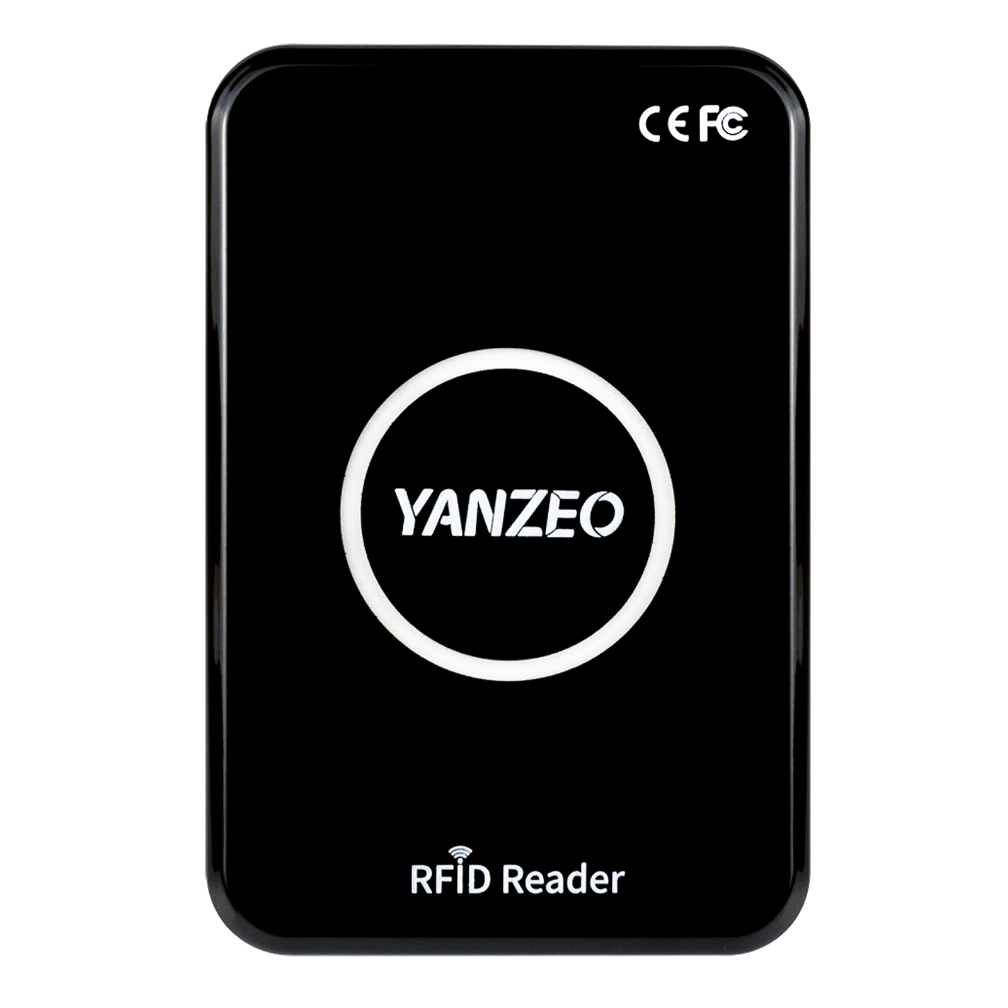
RFID technology is a non-contact automatic identification technology that can read and write information within tags through radio signals. This technology boasts the advantages of long reading distance, fast recognition speed, strong anti-interference capability, and large data storage capacity, making it ideal for cargo tracking. By installing RFID tags on cargo packaging or transportation tools, logistics enterprises can obtain real-time cargo location information, transportation status, and environmental parameters, enabling full-process monitoring and management of cargo.
In terms of cargo tracking, the application of RFID technology mainly manifests in the following aspects:
1. Real-time Tracking and Location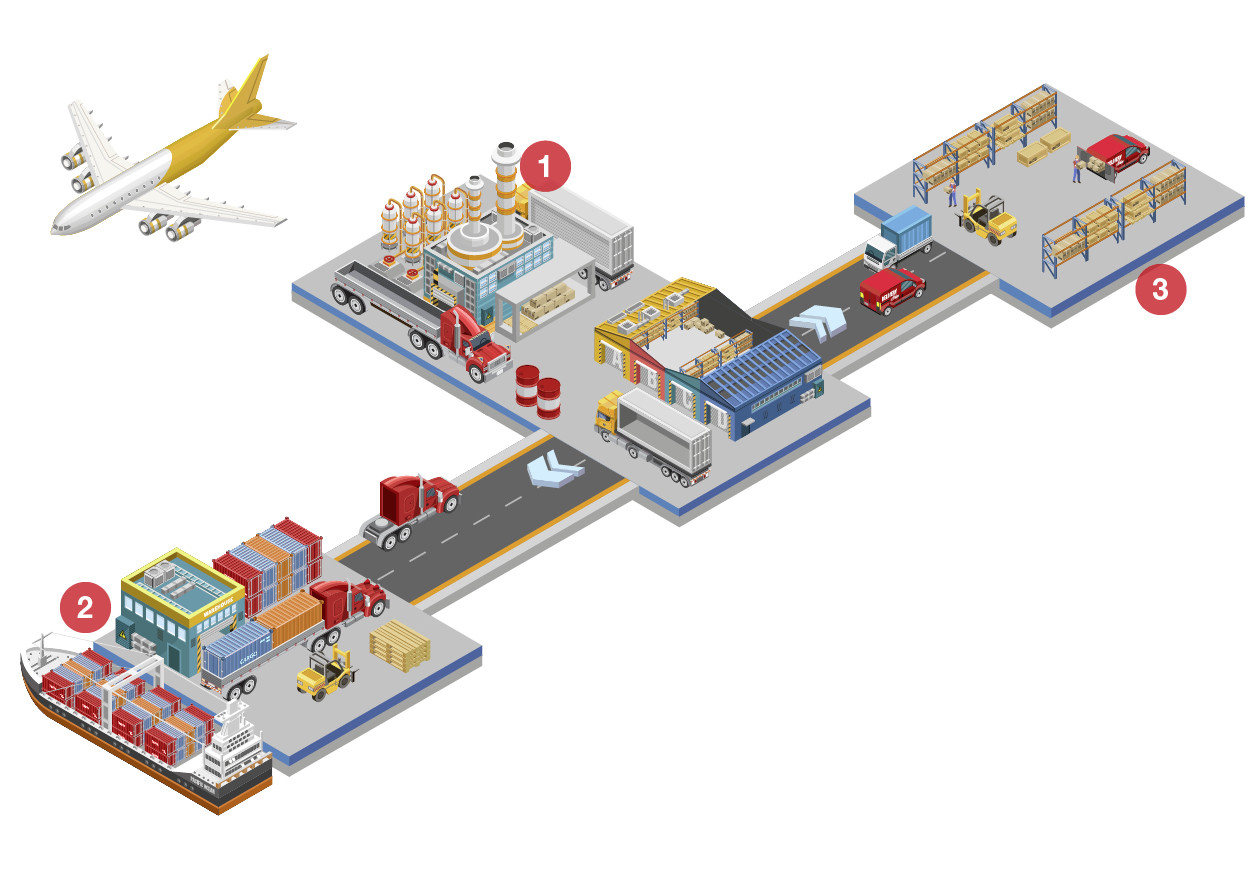
By installing RFID tags on cargo and transportation tools, logistics enterprises can track the location and transportation status of cargo in real-time. When cargo moves or its status changes during transportation, the RFID system can immediately capture these information and upload it to the central management system. This allows enterprises to always keep track of cargo dynamics, ensuring cargo safety and timely arrival at the destination.
2. Intelligent Inventory Management
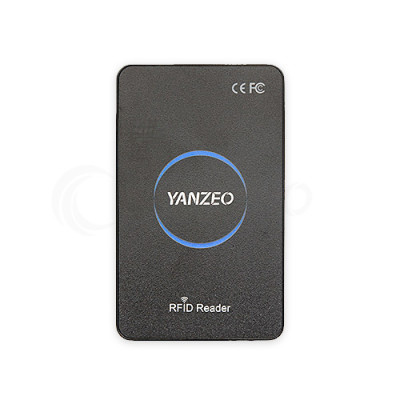
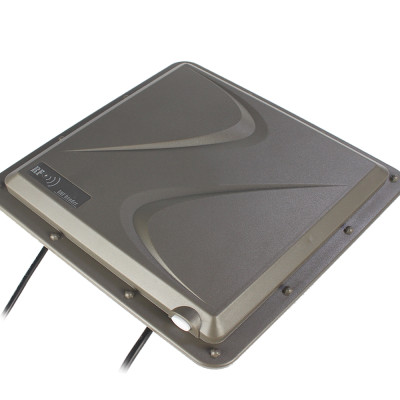
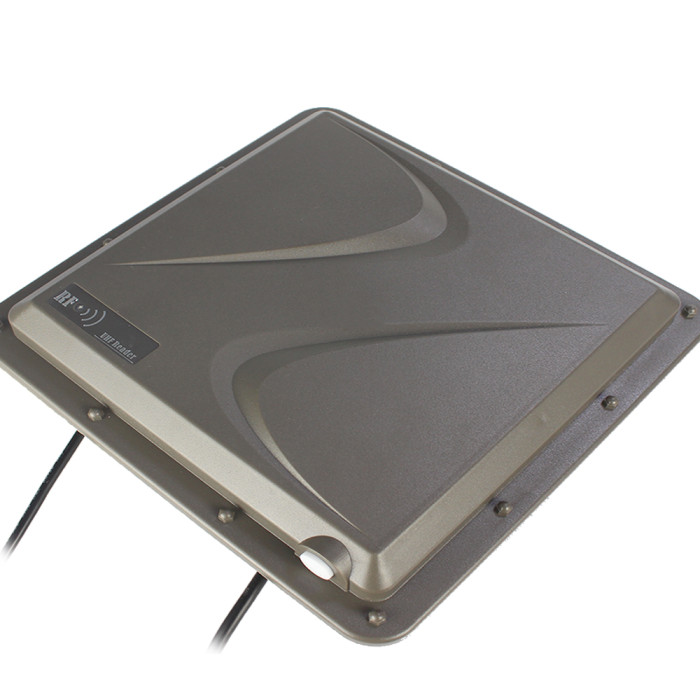
RFID technology can also be applied in inventory management. By installing RFID readers and antennas in warehouses, real-time inventory counting and monitoring can be achieved. When inventory quantities or locations change, the RFID system can immediately perceive these changes and automatically update inventory information. This not only helps reduce human errors and inventory accumulation but also improves inventory turnover and capital utilization.
3. Optimized Transportation Routes and Scheduling
Combined with GIS (Geographic Information System) and big data technology, RFID technology can also optimize transportation routes and achieve intelligent scheduling. By analyzing and mining data collected by RFID, logistics enterprises can identify bottlenecks and issues in the transportation process, thereby optimizing transportation routes and scheduling strategies to improve transportation efficiency and accuracy.
4. Enhanced Customer Service Experience
The application of RFID technology can also enhance the customer service experience. By scanning RFID tags, customers can query detailed information such as cargo origin, production date, and transportation route, enhancing consumption transparency and trust. Additionally, RFID technology can automate cargo sorting and delivery, further improving the efficiency and service quality of logistics transportation.
As RFID technology continues to develop and improve, its application in cargo tracking will become increasingly widespread. In the future, RFID technology will be combined with more advanced technologies, such as artificial intelligence and blockchain, to jointly drive the digital transformation and efficient development of the logistics industry. At the same time, the application of RFID technology will promote supply chain collaboration and transparency, reduce operational risks, enhance customer service experience, and promote the development of green logistics.
In summary, the application of RFID technology in cargo tracking is ushering in a new era of logistics intelligence. We have reason to believe that RFID technology will play an even more important role in future logistics transportation, bringing unprecedented changes and opportunities to logistics enterprises.