RFID for disaster management: can it be used for earthquakes?
During natural disasters like earthquakes, storms, and floods, public authorities can leverage RFID to streamline rescue operations across various fronts. To better understand how this is achieved, read on as we explore the ways in which RFID technology can be maximized to improve disaster management, particularly in the context of earthquakes.
Can RFID be Used in Disaster Management?
The short answer to this question is yes. According to a recent study published in the International Journal of Innovation and Sustainable Development, RFID can indeed be employed to save lives immediately after a major earthquake. For instance, in Taiwan, there is a so-called "golden rescue period" of just 72 hours following an earthquake.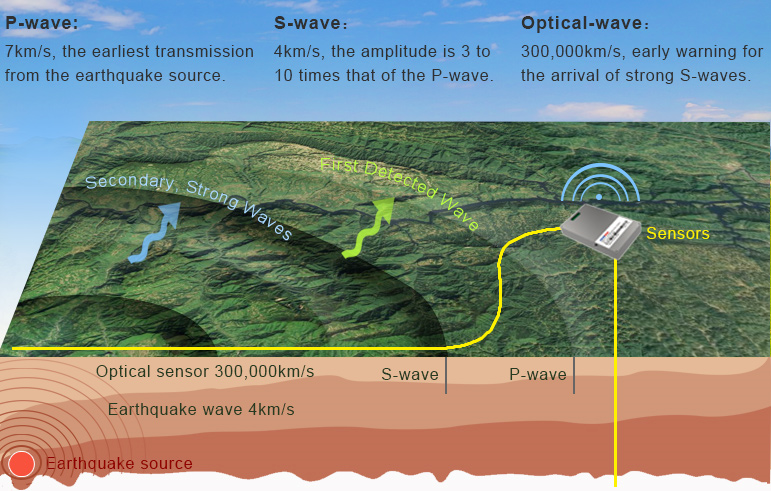
As stated by researchers Yen-Chun Jim Wu and Ching-Yuan Hung, effective emergency response procedures during this "golden rescue period" are crucial for rescue operations, especially considering the potential for aftershocks and ongoing risks such as gas explosions, fires, and building collapses. A particular challenge is knowing the number of people in hospitals, schools, or institutions. This is where RFID comes into play.
RFID can be used to facilitate the transmission of real-time information, enabling faster and more efficient deployment of rescue personnel, more accurate organization of search and rescue operations, and simpler tracking and monitoring of survivors.
Using RFID Technology During Earthquakes
1. Dispatching Personnel
Immediately deploying personnel after a devastating earthquake is often challenging due to the lack of clear understanding of the affected areas, such as where and how much assistance is needed. The lack of real-time details, coupled with limited manpower, makes it difficult to promptly provide help to buildings around the epicenter.
By employing laser scanning technology and RFID, it is possible to instantly detect and categorize buildings that have collapsed due to the earthquake, allowing for an immediate understanding of which structures have been damaged and should thus be prioritized in search and rescue missions.
2. Search and Rescue Operations
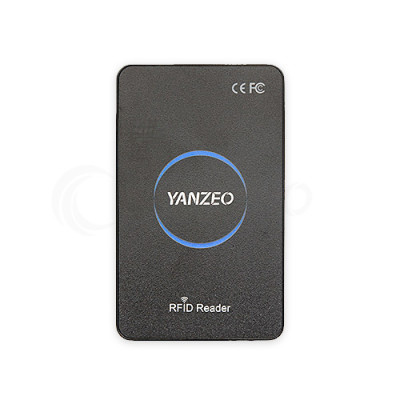
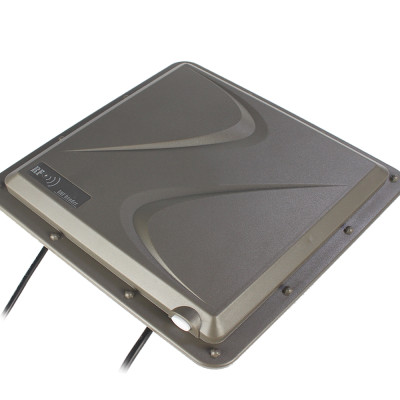
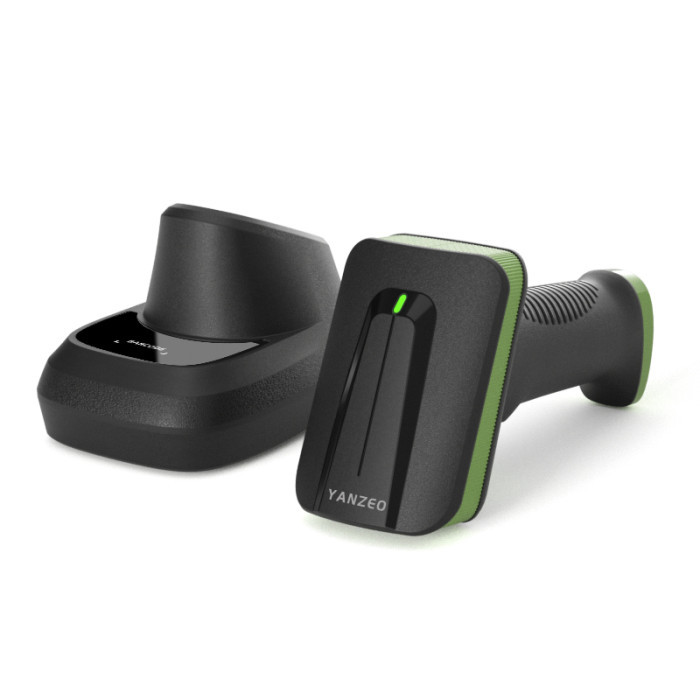
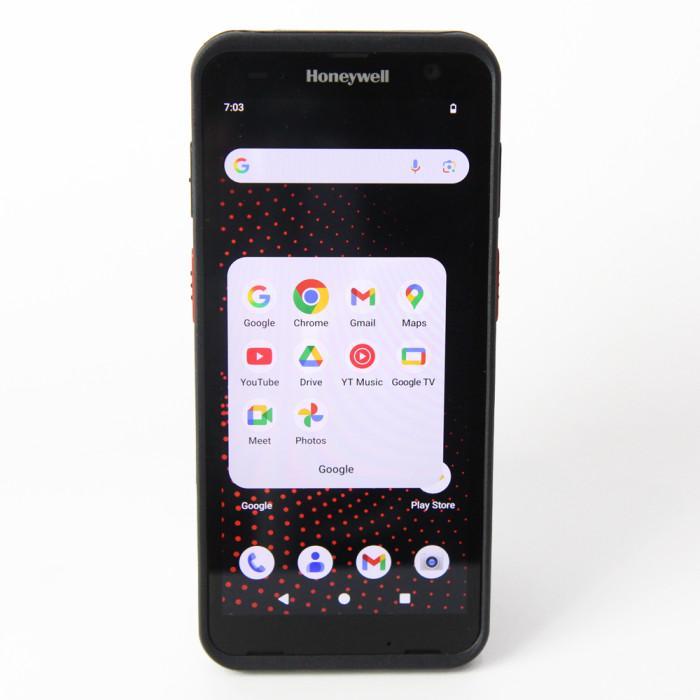
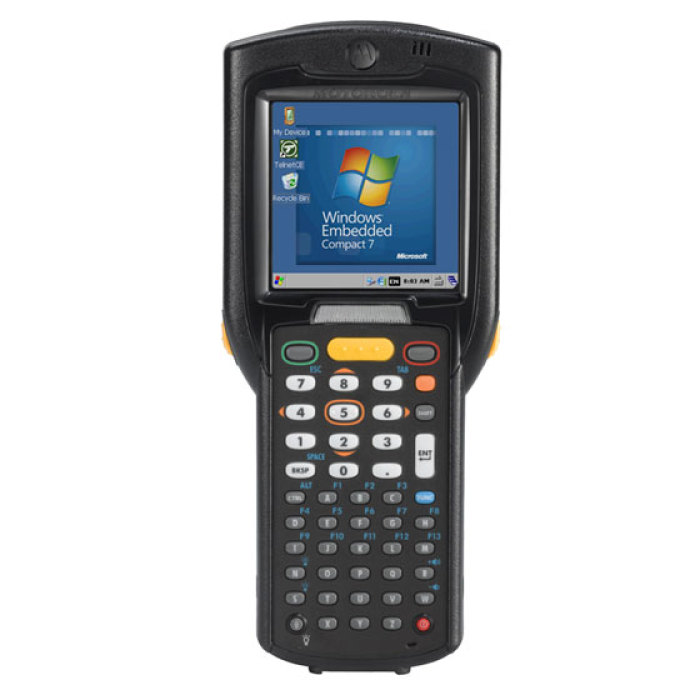
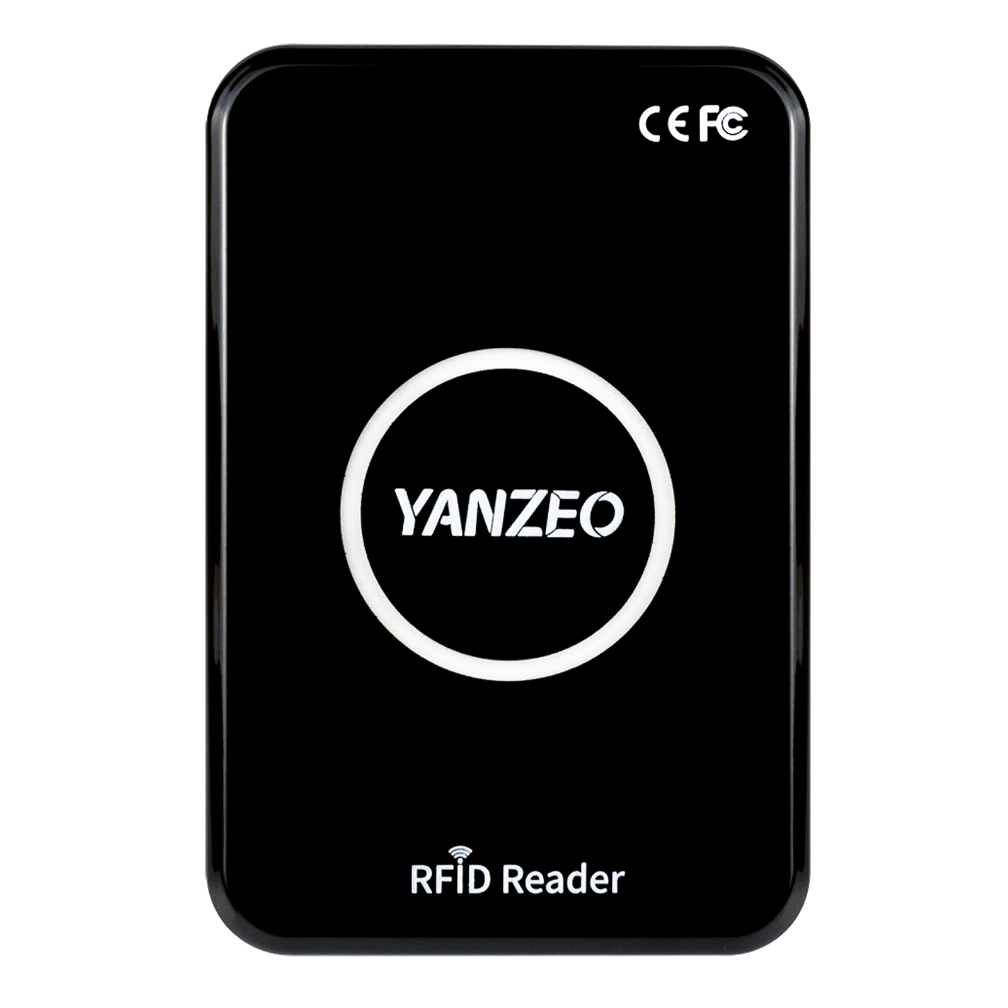
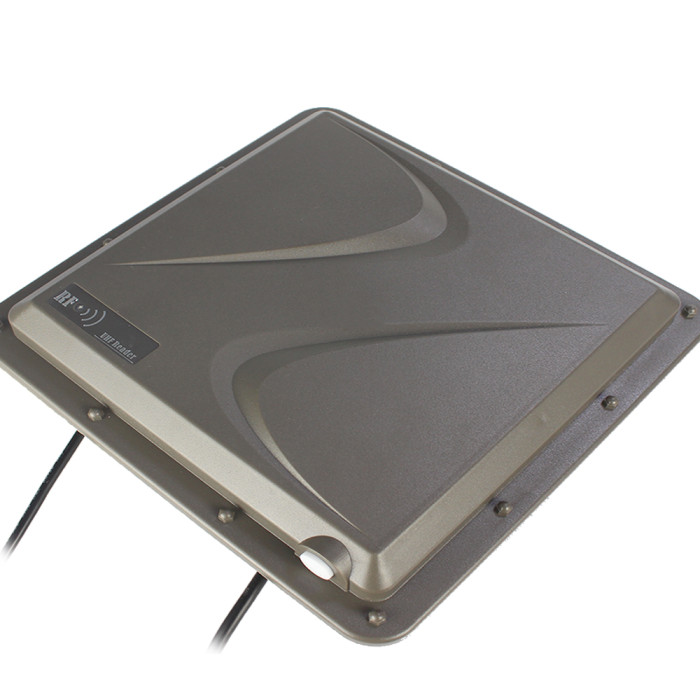
Once the locations of disaster zones have been identified, RFID devices can be rapidly deployed to these areas, with RFID installations set up on their perimeters to detect and identify trapped individuals. Using RFID positioning systems, rescue agencies can pinpoint the locations of individuals requiring rescue. Rescue workers can also carry RFID handheld devices equipped with RFID readers into the disaster zones, aiding them in getting a clearer picture of the locations of trapped victims.
3. Tracking Survivors
Another common challenge faced by authorities after a major earthquake is managing the large number of people evacuated to safe locations. A potential solution to this problem lies in adopting RFID technology. By leveraging RFID's real-time asset tracking system and data collection capabilities, numerous tasks related to transporting survivors from disaster zones to hospitals, shelters, or emergency centers can be improved.
Conclusion
With its myriad features and functionalities, RFID undoubtedly holds immense potential to make disaster management easier and more efficient. Specifically, in the case of earthquakes, RFID systems can be used to enhance the deployment of personnel to disaster zones, conduct search and rescue operations within affected areas, and track and transport survivors to safe havens. Ultimately, RFID can save lives in the aftermath of earthquakes.