


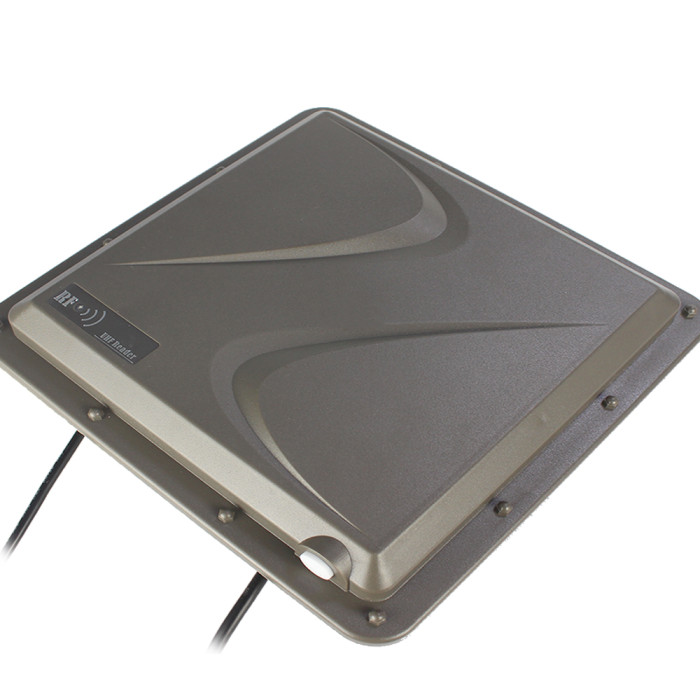
RFID Technology Revolutionizes High-Speed Rail Security Systems: Boosting Efficiency and Ensuring Safety
In today's fast-paced world, high-speed rail has emerged as a vital mode of transportation for commuters. However, as passenger volumes continue to surge, traditional security check methods struggle to meet the demands for efficiency, accuracy, and safety. To address these challenges, high-speed rail security systems are actively incorporating RFID technology, leveraging technological advancements to safeguard passenger journeys.
Introduction to RFID Technology
RFID technology is an automatic identification method that utilizes radio waves for non-contact data communication. It involves the transmission of wireless signals between readers and tags, enabling rapid recognition and information retrieval from targeted objects. With its swift recognition speed, high accuracy, and strong anti-interference capabilities, RFID systems have found widespread applications in access control systems, logistics tracking, asset management, and more.
RFID Applications in High-Speed Rail Security
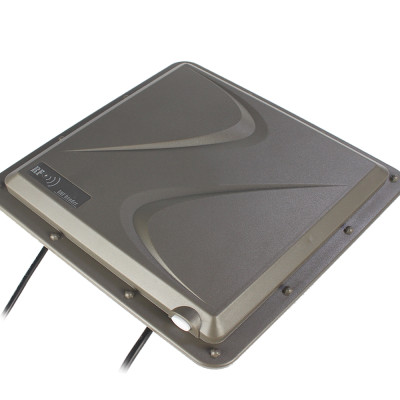
1.Luggage Security Checks: RFID tags are pre-installed on passengers' luggage or attached temporarily at high-speed rail stations. As luggage passes through security scanners, RFID readers swiftly capture tag information such as luggage ownership and type, verifying and categorizing luggage instantly. This process streamlines security checks, reduces wait times, and enhances accuracy.
2.Hazardous Material Detection: By integrating RFID technology with sensor technology, high-speed rail security systems can intelligently detect hazardous materials. Embedded sensors in RFID tags continuously monitor luggage for temperature, humidity, pressure, and the presence of flammable or explosive substances. Upon detecting abnormalities, the system immediately alerts security personnel, preventing hazardous materials from boarding trains.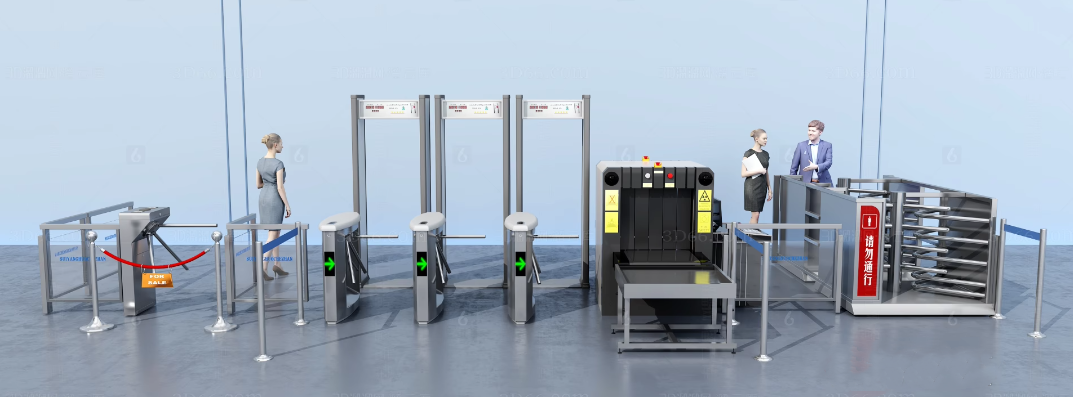
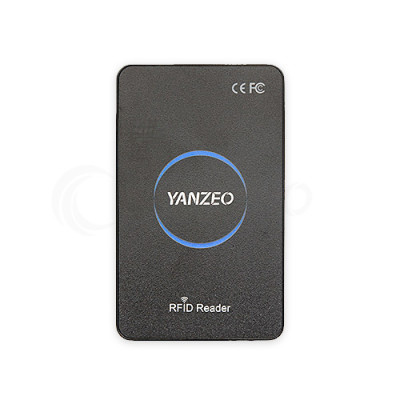
3.Passenger Identity Verification: RFID technology is also utilized for passenger identity verification. By embedding RFID tags in passengers' identity documents or tickets, rapid identity recognition and information verification can be achieved. Passengers simply hold their documents or tickets near RFID readers at security checkpoints, eliminating manual checks and significantly improving passage efficiency.
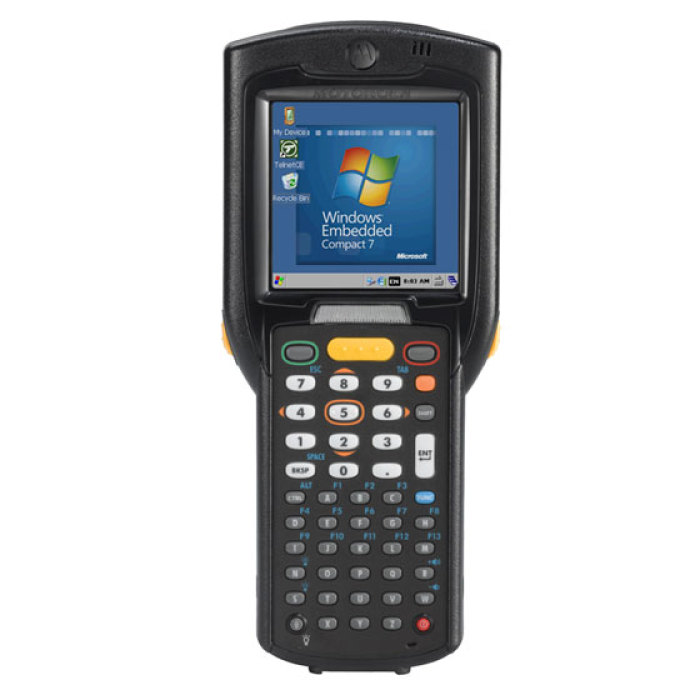
4.Security Equipment Management: RFID technology facilitates the management of security equipment within high-speed rail security systems. By affixing RFID tags to security devices, real-time monitoring and tracking become possible. Security personnel can quickly access device status information, usage records, and more using RFID readers, ensuring timely maintenance and the smooth operation of security checks.
Future Outlook
As technology continues to evolve and applications deepen, the prospects for RFID technology in high-speed rail security systems are even brighter. Future high-speed rail security systems are anticipated to integrate additional cutting-edge technologies like facial recognition and big data analytics, resulting in smarter, more convenient, and more user-friendly security processes. Meanwhile, the ongoing upgrades and improvements of RFID technology will provide even more efficient, accurate, and secure solutions for high-speed rail security, safeguarding passengers' journeys every step of the way.