

Home / Solutions: Factory Vehicle Access Supervision
Factory Vehicle Access Supervision

Factory Vehicle Access Supervision
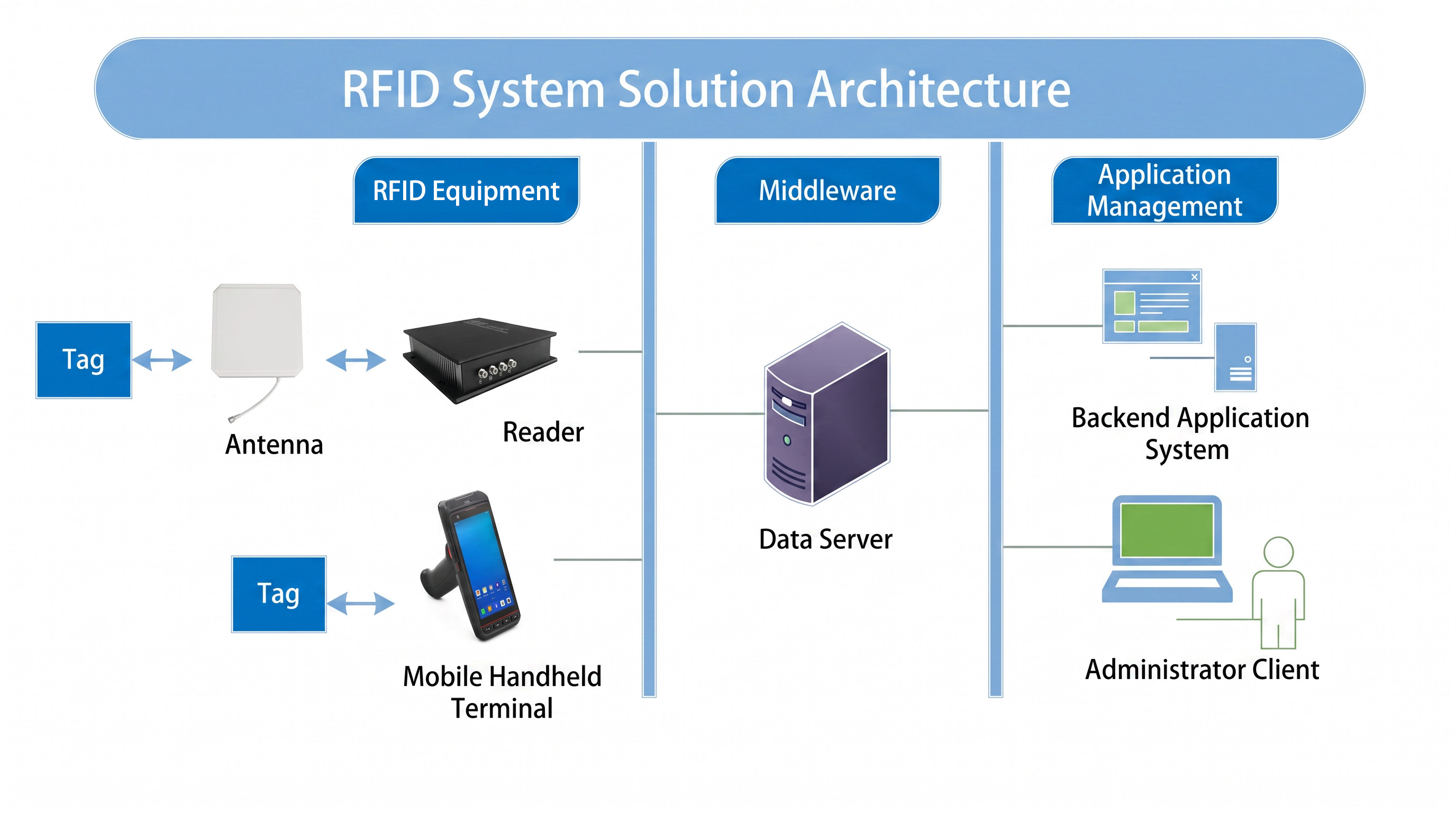
This UHF RFID workshop intelligent management system deploys fixed readers, handheld terminals and anti-metal tags on production lines, warehouses and transport trolleys.
Supported by data middleware and unified background platform, it realizes automatic real-time collection of raw materials, semi-finished products, operators and equipment data, covering the whole links of raw material outbound, workstation processing, workshop transfer and finished product warehousing, to achieve full-process production traceability and digital workshop control.
I. Pain Points of Workshop Production Management
1.1 Low vehicle identification efficiency & poor real-time matching capability
Small and medium factories rely on manual registration of vehicle information; large manufacturers adopt traditional license plate recognition equipment, which is susceptible to interference from weather and vehicle occlusion. It cannot link vehicle data with driver identity information synchronously, and batch identification of multiple incoming and outgoing vehicles cannot be realized.
1.2 Isolated factory internal systems with data barriers
Factory gate management, warehouse operation, security inspection and production scheduling systems run separately. Vehicle access data cannot be shared across platforms, resulting in repeated information entry and low overall plant operation efficiency.
1.3 Discontinuous full-process vehicle tracking
Vehicle management covers factory entrance, internal transit, loading & unloading zones and factory exit. Traditional technologies fail to record vehicle status at every node, making it hard to track vehicle detention and difficult to trace abnormal vehicles for safety control.
1.4 Difficult coordination of cross-workshop business flow
There is no unified data collection standard for vehicle supervision between different workshops and functional zones. New intelligent systems face compatibility obstacles when docking with the existing business processes of multiple departments.
1.5 Slow manual verification at factory gate & easy congestion
The manual checking mode at factory entrances leads to long queuing times for delivery vehicles. Once vehicle information cannot be identified on site, the inspection process is cumbersome, greatly reducing logistics turnover efficiency.
1.6 Weak early warning capability for abnormal vehicles
Vehicles marked with safety risks cannot be automatically identified and intercepted at the gate, requiring manual secondary confirmation, which brings hidden dangers to factory asset and production safety supervision.
II. Solution Overview
2.1 One-to-one binding of drivers and vehicles at registration
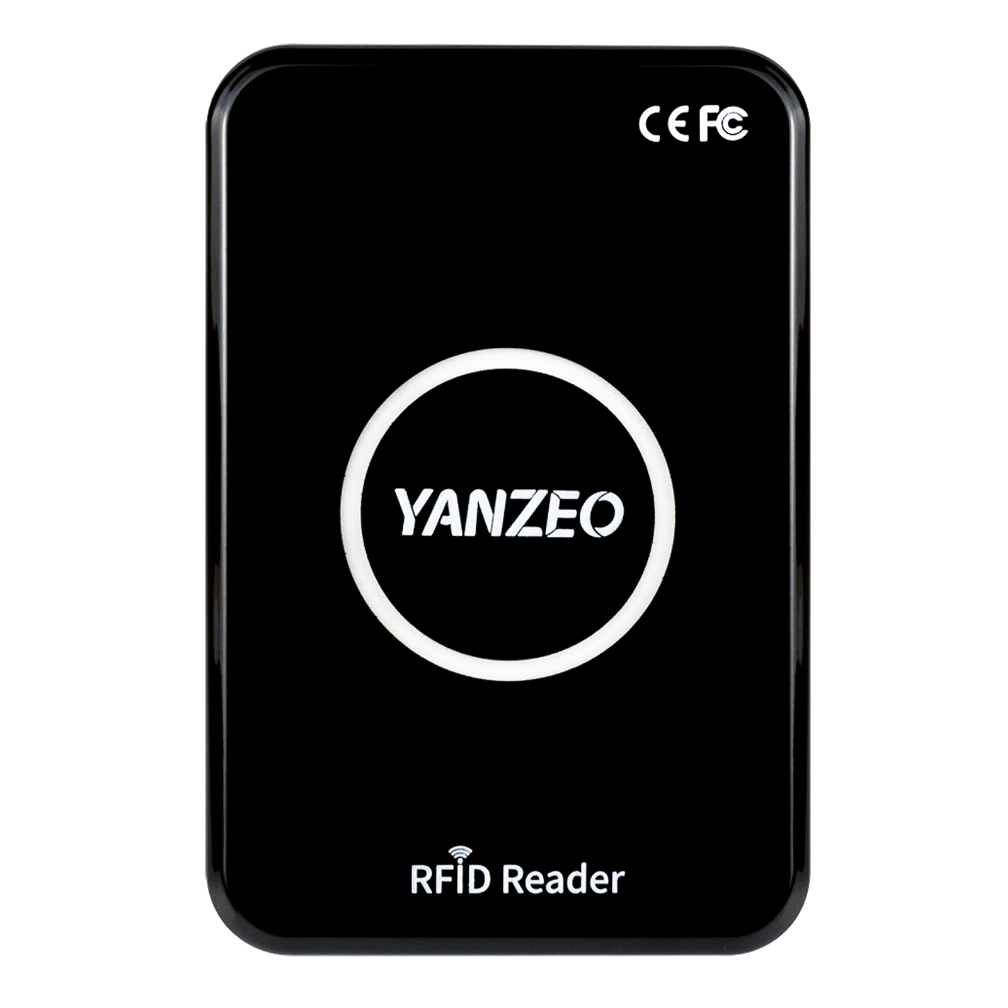
Deploy RFID issuing devices at the factory reception desk. While registering vehicle information, the system automatically writes vehicle identity and driver data into passive RFID tags to complete information binding. All vehicle data is uploaded to the background platform synchronously to lay a foundation for full-process tracking.
2.2 Full-node RFID collection for continuous vehicle tracking
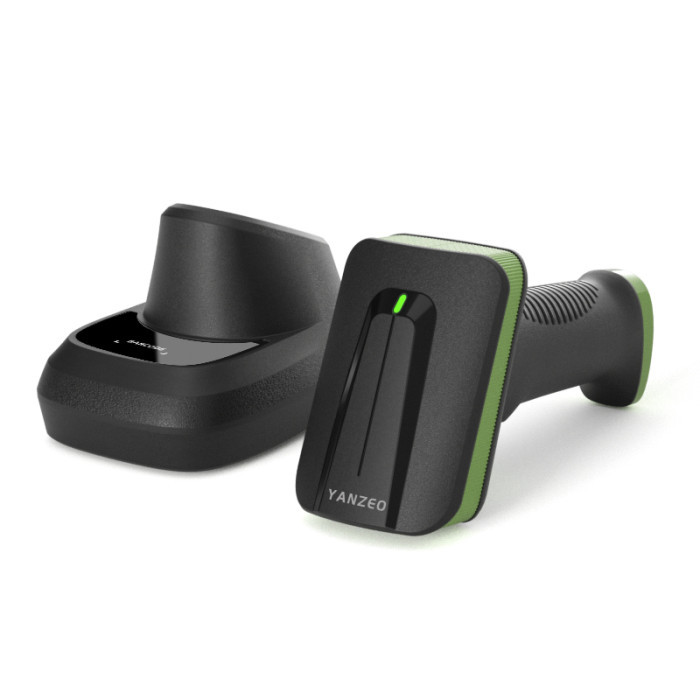
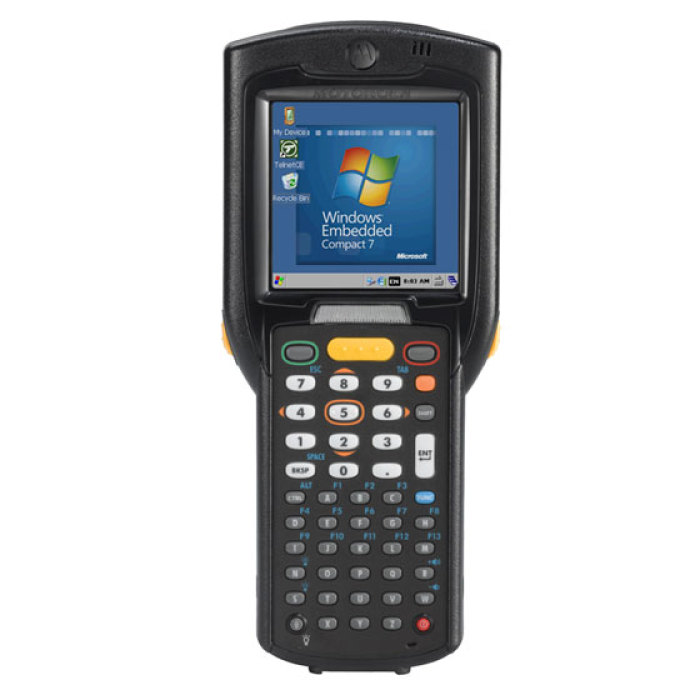
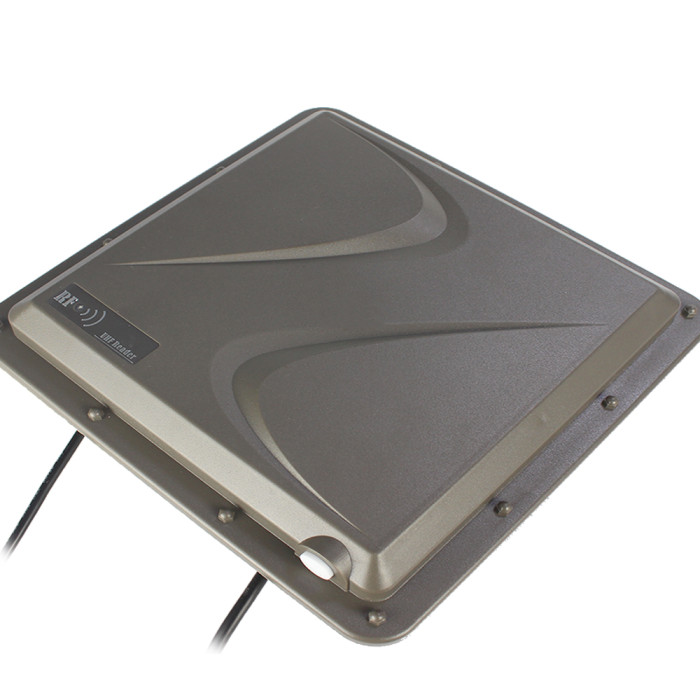
Install fixed RFID readers and antennas at factory gates, internal roadways, loading & unloading zones; equip on-site staff with portable handheld RFID collectors. All vehicle movement trajectories are recorded in real time, supporting fast positioning of stranded vehicles and automatic capture of abnormal vehicle tags. Abnormal vehicles will trigger audible and visual alarms.
2.3 System middleware to break data isolation
Matching system middleware is provided to seamlessly connect with the factory’s existing production management, warehouse scheduling and security systems. It realizes unified collection, transmission and sharing of vehicle data, eliminates repeated data entry, and improves the overall operation efficiency of factory terminals.
2.4 Dual-verification self-service vehicle access channel
Build automatic access passages integrating RFID reading and license plate recognition. The system automatically compares vehicle tag information and plate data twice; only consistent information can open the barrier for vehicles to pass. If verification fails, voice prompts will guide drivers to the manual inspection channel, where staff can use handheld terminals for auxiliary verification.
2.5 Low-cost, easy-to-deploy overall technical framework
The scheme adopts passive RFID tags with recyclable technical logic. No large-scale transformation of original factory road and barrier equipment is required, and only modular RFID collection devices are added. It supports flexible partial or full deployment according to the actual conditions of different factories, with strong scalability and universality.
2.6 Real-time information push and whole-process safety supervision
The background system pushes real-time vehicle flow information to management terminals. All abnormal vehicles will trigger dual early warnings for staff and managers, realizing closed-loop supervision from gate access inspection to manual recheck, and effectively reducing missed inspection risks of unauthorized vehicles.

●Chip: U8/U9
●Size: 100*50mm
●Long Range about 12m
●warehouse management, garment management, logistics etc.
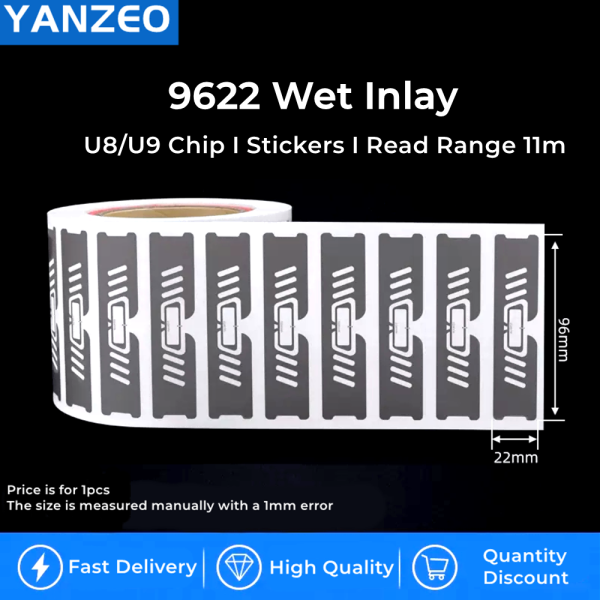
●Chip: U8/U9
●Size: 96×22mm
●Induction distance: about 11m
●Commidity manangement,logistics, etc.
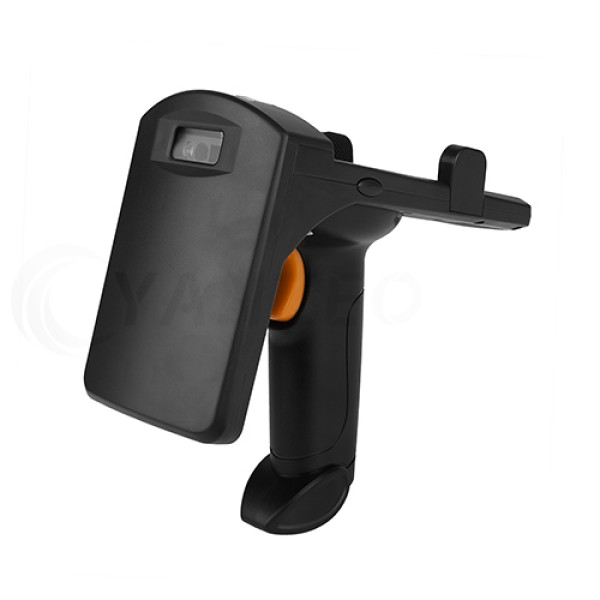
Yanzeo R12 is a RFID reader and barcode scanner that supports 1D/2D code, 915Mhz UHF tags and Bluetooth communication.
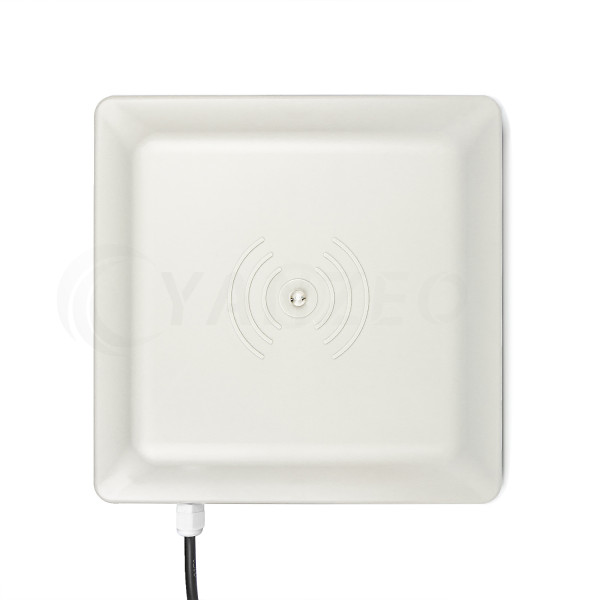
6m Long Range Outdoor IP67 8dbi Antenna RS232/RS485/Wiegand Output
Contact Person

- Full Name:
- Sunnee
- Tel:
+86 18927542630
+86 020-38201771
- Email:
- sales01@yanzeo.com
- WhatsApp:
- 8618927542630
- Address:
- 224# 126, East Ring Road, Zhucun, TianHe District, Guangzhou, Guangdong