Home / All / Product Knowledge / Should RFID choose low frequency, high frequency, or ultra high frequency?

Should RFID choose low frequency, high frequency, or ultra high frequency?

Oct 24,2023

The principle of RFID technology is non-contact data communication between the reader and the tag to achieve the purpose of identifying the target. RFID has a wide range of applications, typical of which include animal chips, car chip anti-theft devices, access control, parking lot control, production line automation, material management, and other fields.


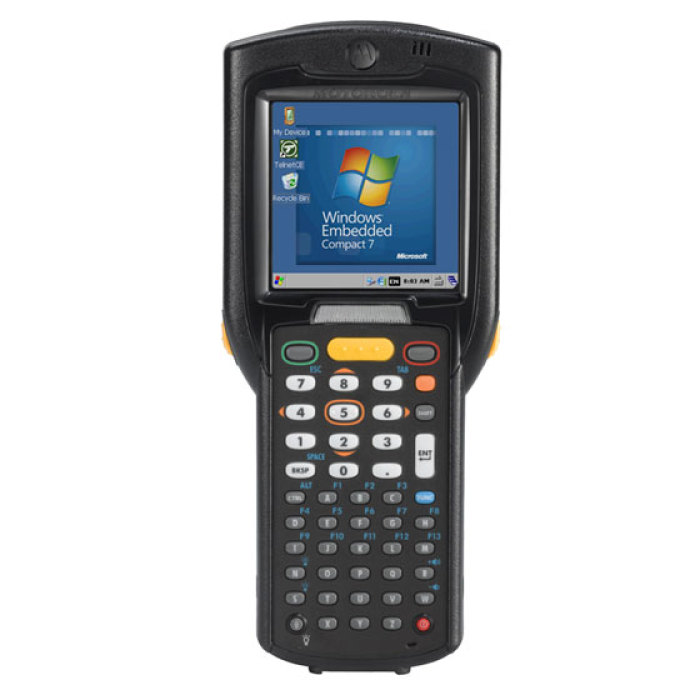
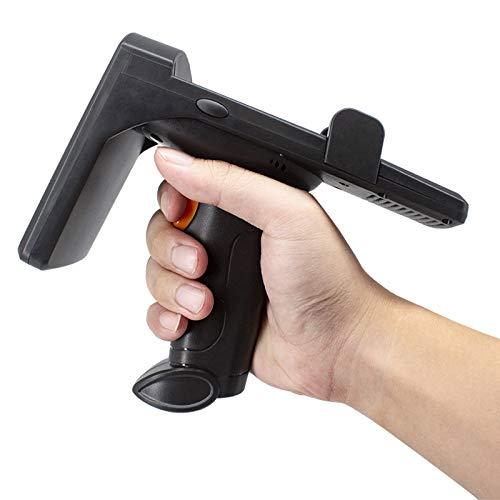
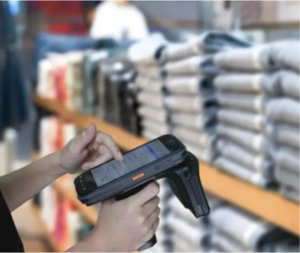
Due to the wide application of RFID technology in many fields and its ability to withstand high temperatures, severe cold and other industrial environments, it can improve work efficiency and is highly welcomed by businesses. Many businesses consider how frequently to choose PDAs when choosing a handheld terminal.
Image

How to choose the frequency of RFID? RFID is a radio frequency identification technology, and its frequency determines the distance it can identify product barcodes. 


In terms of working frequency, RFID can be divided into low frequency (LF), high frequency (HF), and ultra-high frequency (UHF).


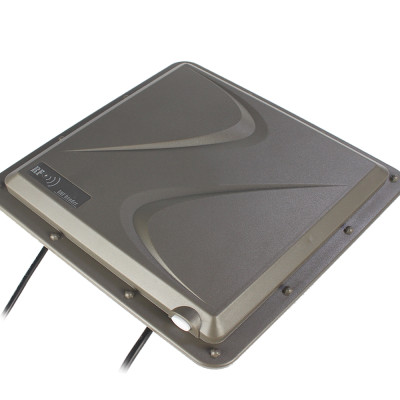
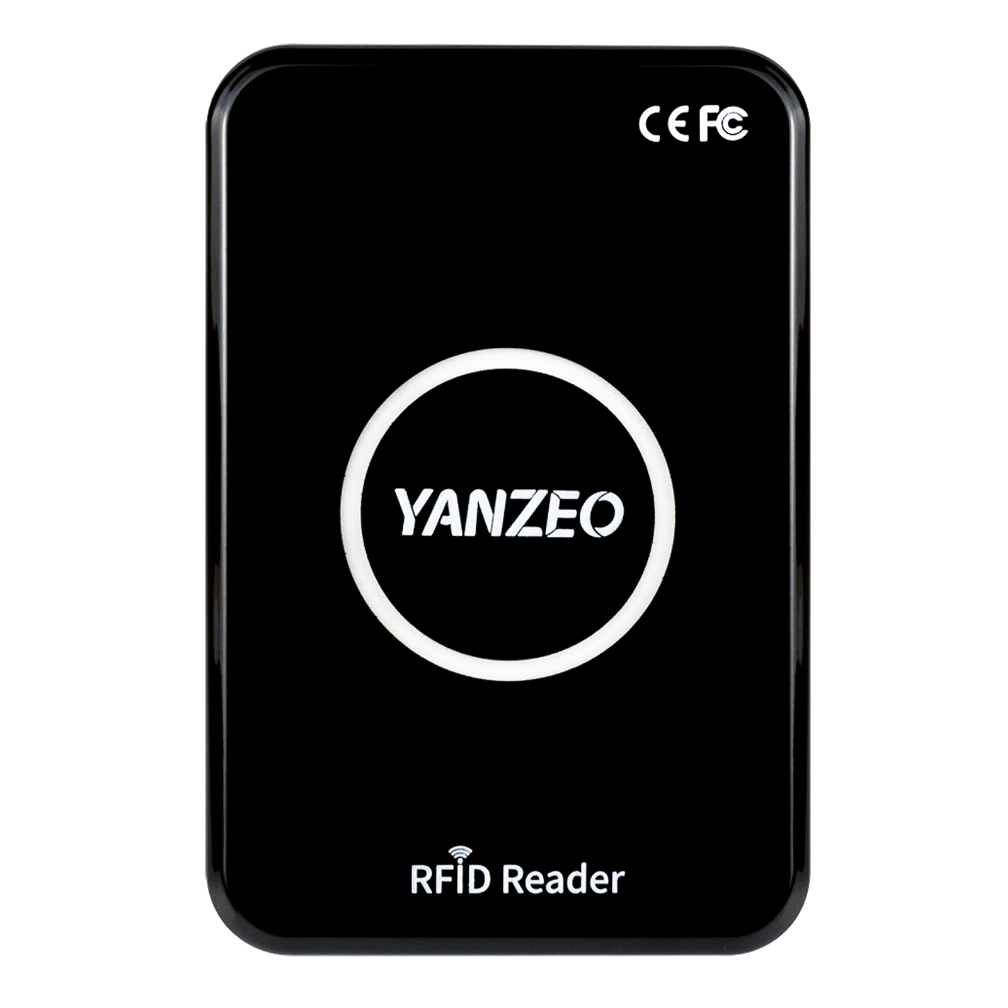
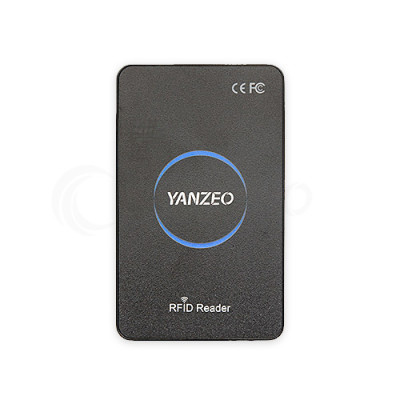
The low-frequency frequency range is 10khz-1Mhz, and low-frequency devices are relatively rare in production. Their reading and writing distances are limited, and the information obtained is also limited. Therefore, the price is relatively low, such as access cards and anti-counterfeiting labels, which are more likely to appear.
Image

The high-frequency frequency is 13.56MHz, and the theoretical reading and writing distance is 5-8 meters. The reading and writing speed is faster than the low-frequency frequency, and it can be used to distinguish multiple labels, applied in library management, ID card recognition, and so on.


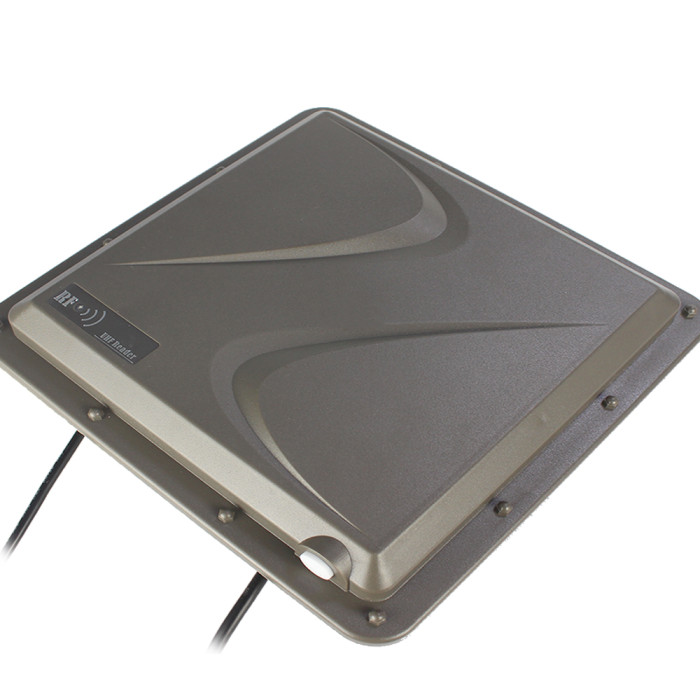
The frequency band of ultra-high frequency is 856-960MHz, and ultra-high frequency technology has the characteristics of reading and writing multiple labels at once, fast reading and writing speed, and large data capacity. The reading and writing distance can reach 10 meters, which is widely used in the logistics industry.


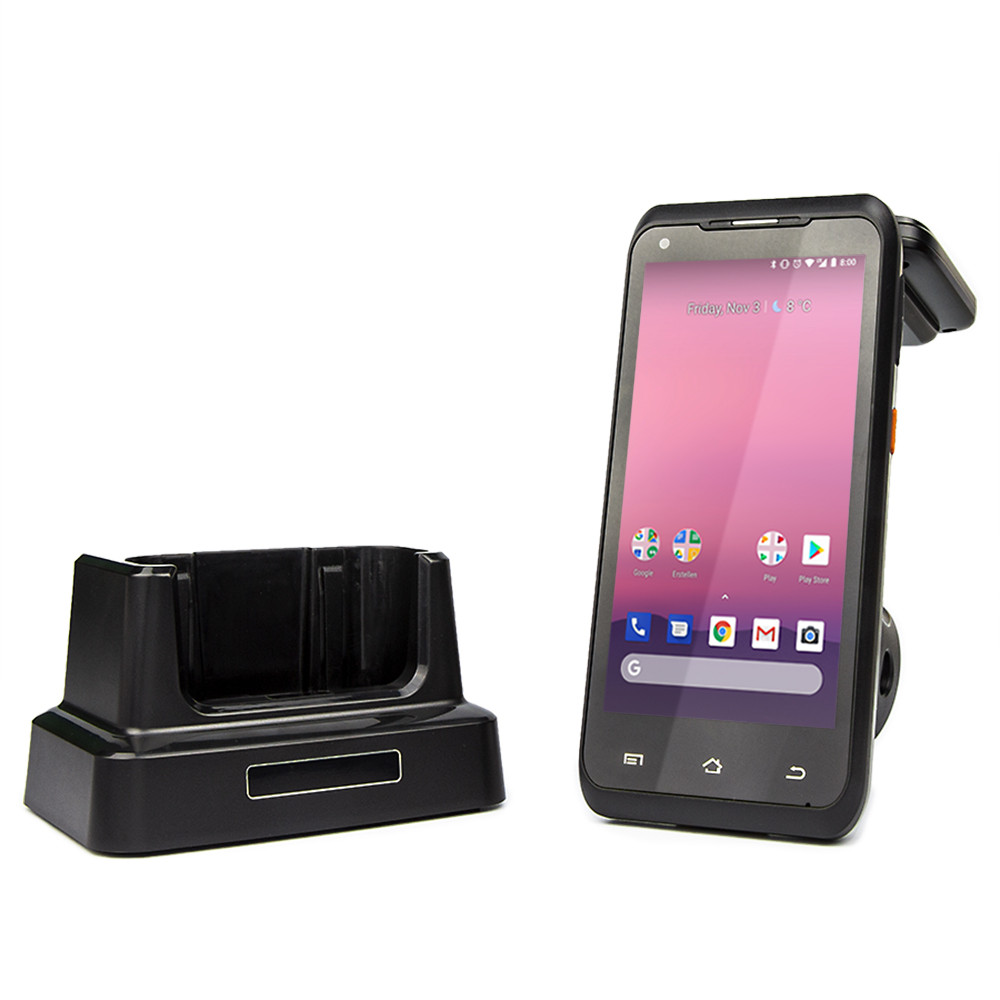
Therefore, when selecting a handheld terminal, it is possible to consider the application scenario and field of the device and select a suitable frequency band handheld terminal.
 Image

News
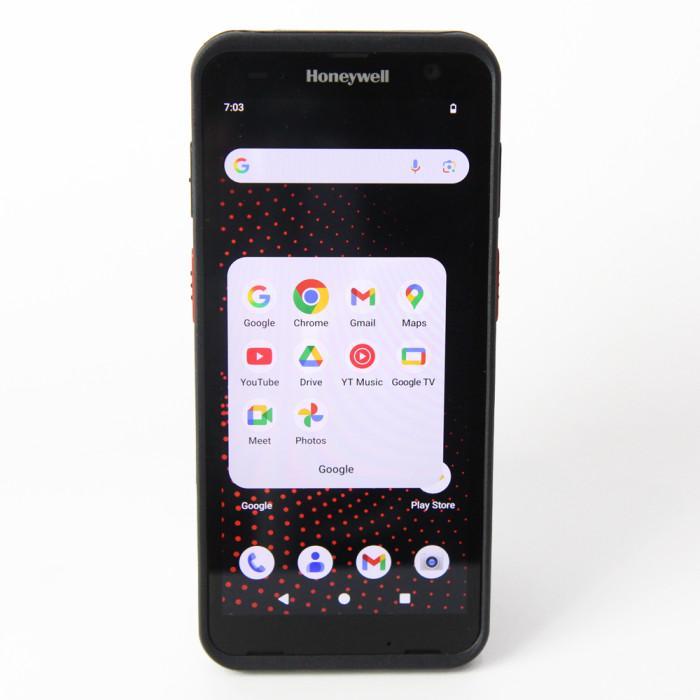
  • Are you still using your phone to inventory materials? Come and take a look at this Honeywell CT70's cutting-edge technology designed specifically for high-frequency scanning
    Are you still using your phone to inventory materials? Come and take a look at this Honeywell CT70's cutting-edge technology designed specifically for high-frequency scanningMar 18,2026
    CT70 is an ultra robust and reliable 5G connectivity device designed specifically for retail and logistics users, meeting their needs for long lifespan and predictable operating system upgrade paths. The CT70 is equipped with powerful AI processors, 5G cellular networks, Wi Fi 7 and other advanced features, aimed at providing excellent performance for the future, ensuring that frontline workers can reliably and quickly access data and communicate for a long service life
  • Set 10-Minute Auto Sleep for Your Barcode Scanner in 2 Simple Scans
    Set 10-Minute Auto Sleep for Your Barcode Scanner in 2 Simple ScansFeb 26,2026
    Tired of the hassle of manually turning your barcode scanner on and off repeatedly during daily operations? Or worried about excessive power drain and battery damage caused by long-term standby? We've got a super easy solution for you! You can set your barcode scanner to 10-minute auto sleep with just two quick scans-no complicated menu adjustments, no professional tech skills required. This simple setup optimizes your device's performance and elevates your daily work efficiency in every way.
  • RFID Meets AI: How Intelligent Tag Data Is Transforming Real-World Operations
    RFID Meets AI: How Intelligent Tag Data Is Transforming Real-World OperationsNov 22,2025
    Radio Frequency Identification (RFID) has long been valued for rapid, line-of-sight-free item identification. Today, it enters a new phase: integrated with Artificial Intelligence (AI), raw tag scan data becomes actionable insights. This combination unlocks automation, prediction, and real-time decision-making—capabilities traditional RFID alone couldn’t achieve. This article explores how AI amplifies RFID’s value, adopting industries, and its future.
Keep up with the latest technology news and innovations with the Newsletter.
Follow Us

Pro RFID & BarCode

www.yanzeorfid.com
Pro RFID & BarCode