
Home / Solutions: RFID Airport Self-service Baggage Tracking
RFID Airport Self-service Baggage Tracking

RFID Airport Self-service Baggage Tracking
Against the backdrop of booming civil aviation, passenger volume and baggage throughput at major airports keep rising year by year. Traditional manual and barcode-based baggage management modes suffer from low efficiency, discontinuous data and weak traceability, which cannot satisfy modern airports’ demands for efficient operation, safety supervision and passenger service upgrade.
This system adopts passive UHF RFID technology combined with face recognition technology. Without overhauling the original airport baggage conveyor infrastructure, it adds RFID collection equipment at all key baggage handling nodes (check-in, security screening, sorting, loading, baggage claim). It realizes one-to-one binding of passenger identity information and baggage tag data, full-process real-time tracking of luggage, automatic abnormal baggage warning and self-service baggage retrieval verification.
The supporting middleware can seamlessly connect with existing airport management platforms to realize cross-system data sharing, reduce manual intervention, improve baggage processing efficiency and strengthen aviation safety supervision capacity.
I. Pain Points of Airport Self-service Baggage Tracking
1.1 Low baggage identification efficiency & poor real-time matching capability
Small and medium airports rely on manual inspection of luggage information; large airports use traditional barcode recognition equipment, which has high hardware costs and slow reading speed. It cannot link baggage data with passenger identity information synchronously, and batch reading of multiple luggage pieces is impossible.
1.2 Isolated independent airport systems with data barriers
Airport baggage management, security inspection, flight operation and passenger service systems run separately. Luggage inspection data cannot be shared across platforms, resulting in repeated information entry and low overall airport operation efficiency.
1.3 Discontinuous full-process baggage tracking
Luggage circulation covers departure airport sorting, transit, aircraft loading and arrival airport retrieval. Traditional technologies fail to record luggage status at every node, making it hard to locate lost luggage and difficult to track suspicious items for safety control.
1.4 Difficult coordination of cross-airport business flow
There is no unified data collection standard for luggage tracking between different terminals and airports. New intelligent systems face compatibility obstacles when docking with the existing business processes of multiple airlines.
1.5 Slow manual verification during baggage claim & easy congestion
The manual baggage checking mode at baggage exits leads to long queuing times for passengers. Once luggage information cannot be identified on site, the inspection process is cumbersome, greatly damaging passenger experience.
1.6 Weak early warning capability for abnormal luggage
Suspicious luggage marked in security screening cannot be automatically identified and diverted on the conveyor line, requiring manual secondary search, which brings hidden dangers to aviation safety supervision.
II. Solution Overview
2.1 One-to-one binding of passengers and luggage at check-in
Deploy RFID printers and face recognition cameras at check-in counters. While printing luggage labels, the system automatically writes passenger identity and facial data into passive RFID tags to complete information binding. All luggage data is uploaded to the background platform synchronously to lay a foundation for full-process tracking.
2.2 Full-node RFID collection for continuous luggage tracking
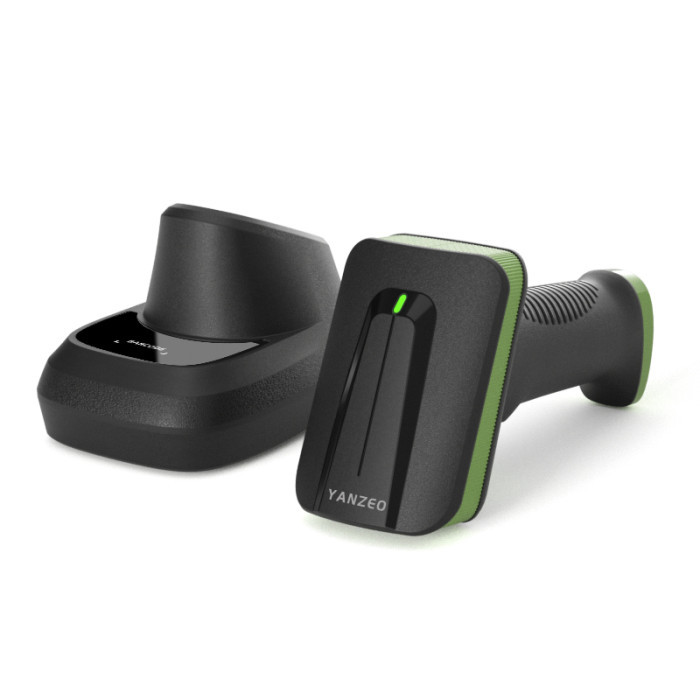
Install fixed RFID readers and antennas on security screening lines, sorting conveyors and boarding conveyors; equip ground staff with wearable handheld RFID collectors. All luggage movement trajectories are recorded in real time, supporting fast positioning of lost luggage and automatic capture of suspicious baggage tags. Abnormal luggage will be automatically diverted to the manual inspection area with audible and visual alarms.
2.3 System middleware to break data isolation barriers
Matching system middleware is provided to seamlessly connect with the airport’s existing flight management, security inspection and passenger service systems. It realizes unified collection, transmission and sharing of luggage data, eliminates repeated data entry, and improves the overall operation efficiency of airport terminals.
2.4 Dual-verification self-service baggage retrieval channel
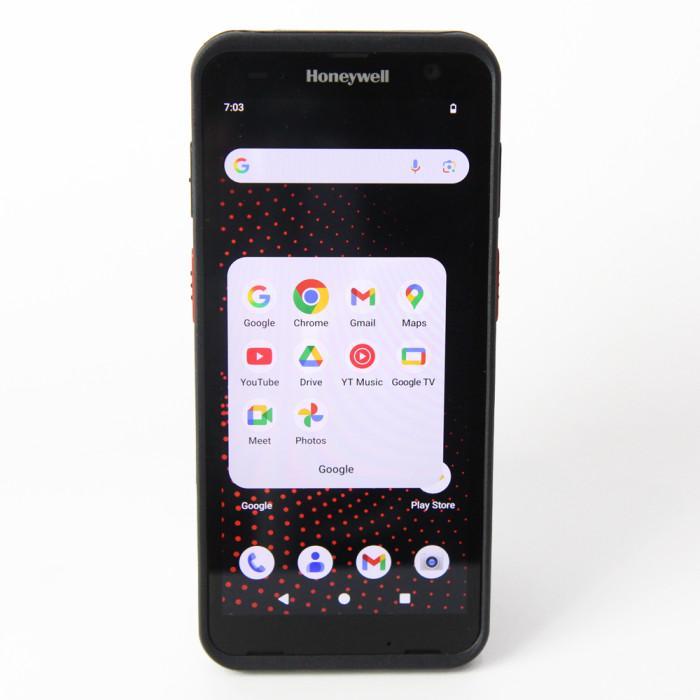
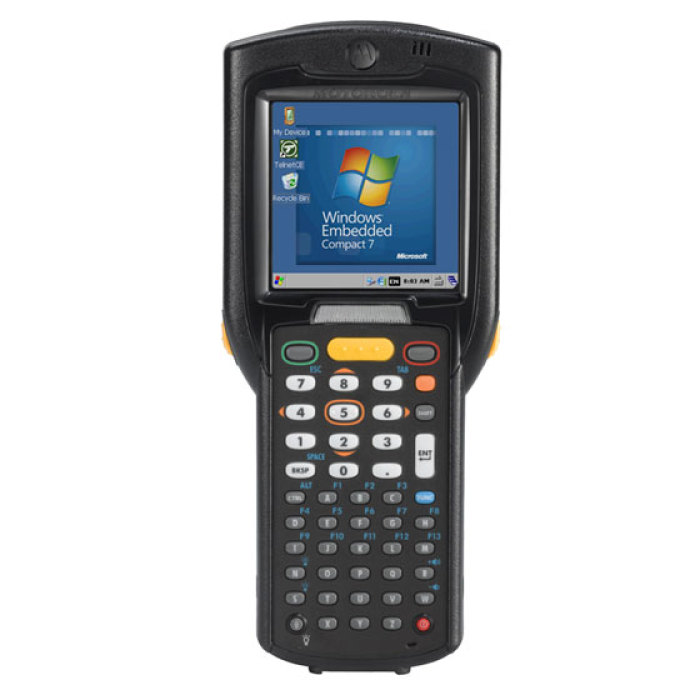
Build self-service double-door verification passages integrating RFID reading and face recognition. The system automatically compares facial features and luggage tag information twice; only consistent information can open the passage for passengers to pick up luggage. If verification fails, voice prompts will guide passengers to the manual inspection channel, where staff can use handheld RFID terminals to scan tags or barcodes for auxiliary verification.
2.5 Low-cost, easy-to-deploy overall technical framework
The scheme adopts passive RFID tags with recyclable technical logic, no large-scale transformation of original airport conveyor equipment is required, and only modular RFID collection devices are added. It supports flexible partial or full deployment according to the actual conditions of different airports, with strong scalability and universality.
2.6 Real-time information push and whole-process safety supervision
The background system pushes real-time luggage flow information to passengers’ mobile terminals. All abnormal luggage will trigger dual early warnings for staff and passengers, realizing closed-loop supervision from security screening inspection to manual recheck, and effectively reducing missed inspection risks of dangerous goods.
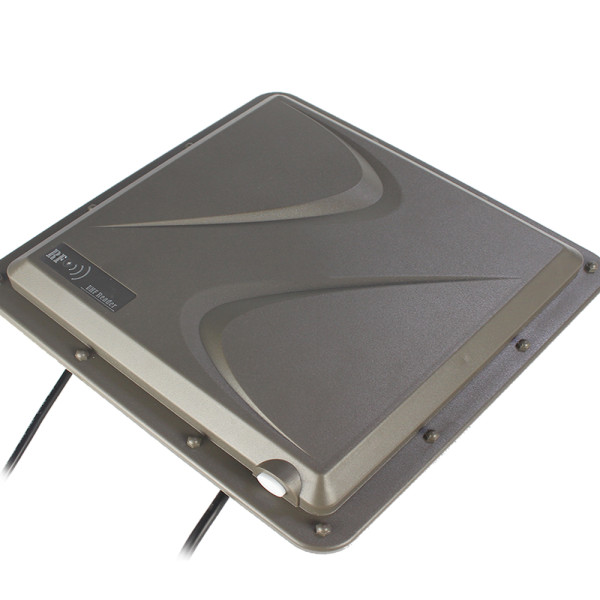
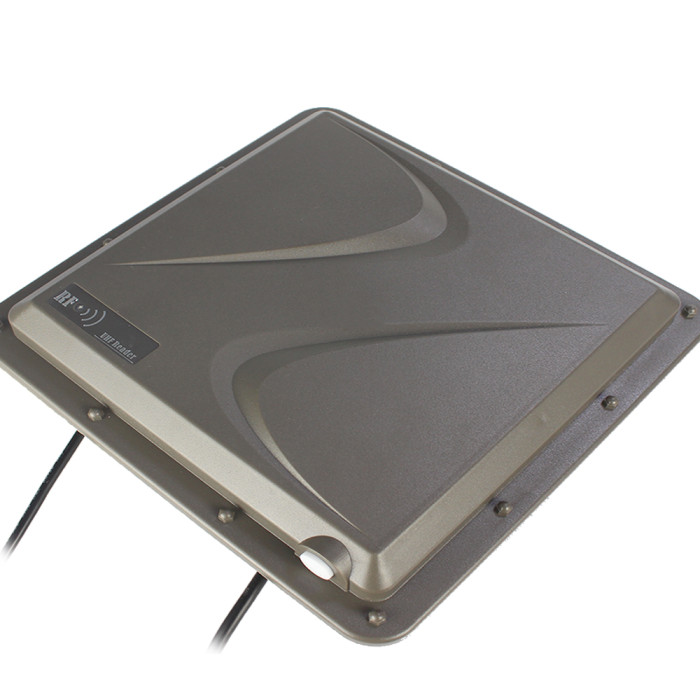
UHF RFID Reader| Yanzeo SR691| SR692| SR693 10M Long Distance WIFI RS232/RS485/Wiegand RJ45/USB Integrated Reader
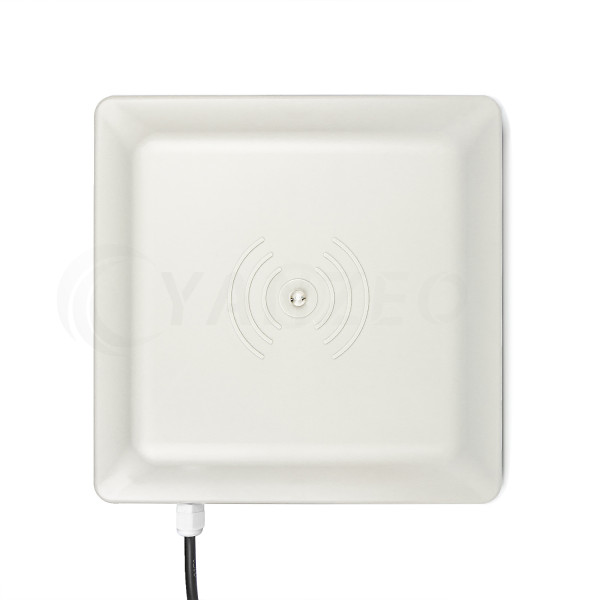
6m Long Range Outdoor IP67 8dbi Antenna RS232/RS485/Wiegand Output
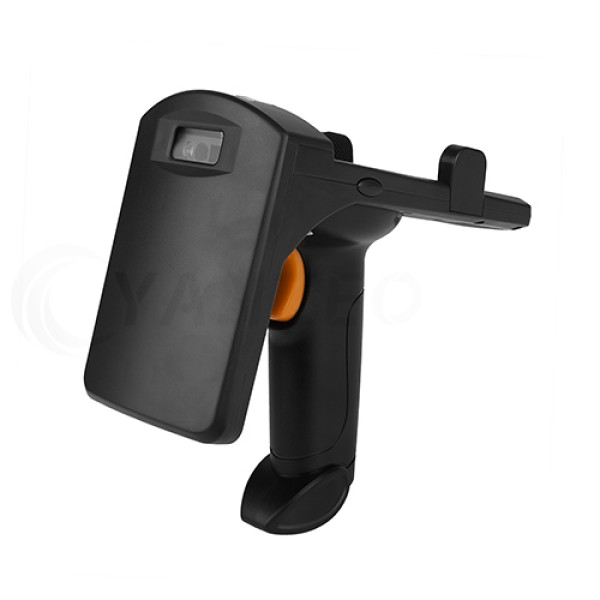
Yanzeo R12 is a RFID reader and barcode scanner that supports 1D/2D code, 915Mhz UHF tags and Bluetooth communication.
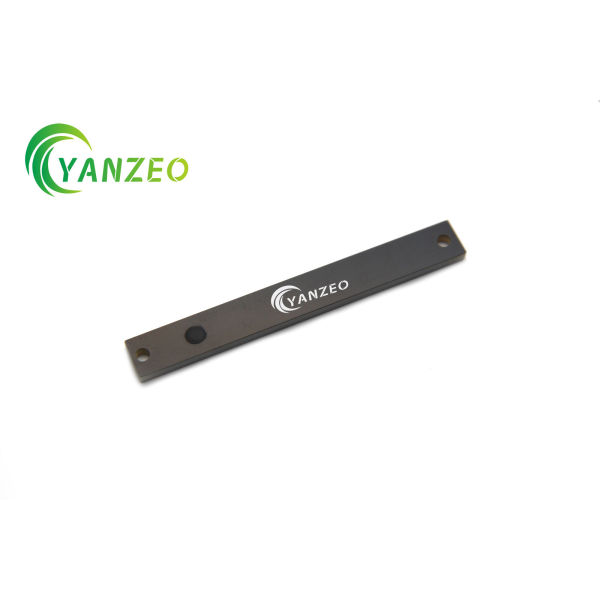
SY09595 860~960MHz PCB UHF RFID Tag High Temperature Anti-metal
Contact Person

- Full Name:
- Sunnee
- Tel:
+86 18927542630
+86 020-38201771
- Email:
- sales01@yanzeo.com
- WhatsApp:
- 8618927542630
- Address:
- 224# 126, East Ring Road, Zhucun, TianHe District, Guangzhou, Guangdong