RFID tags can greatly improve breeding efficiency
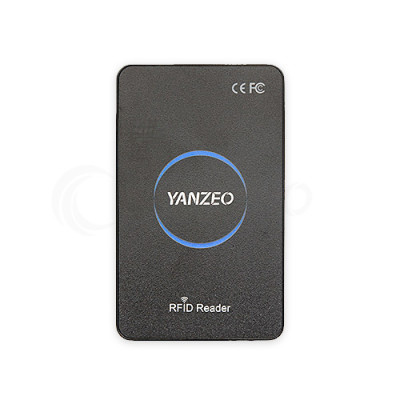
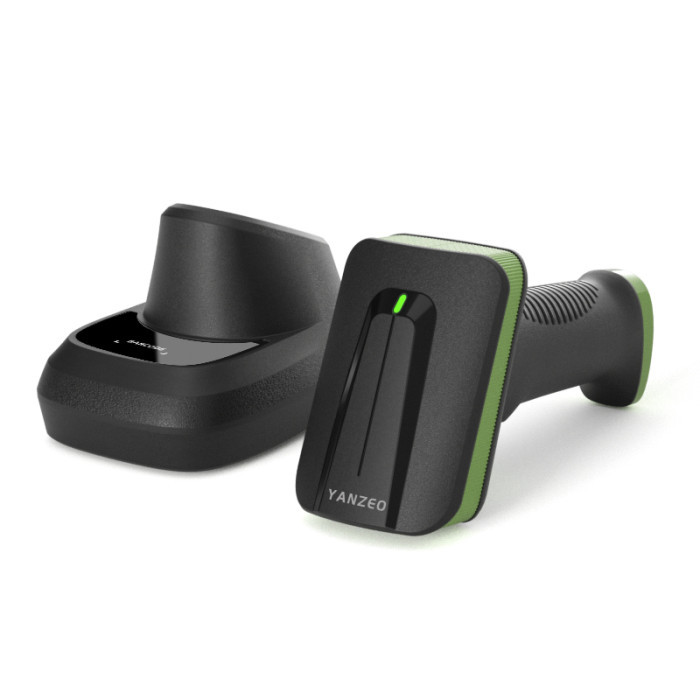
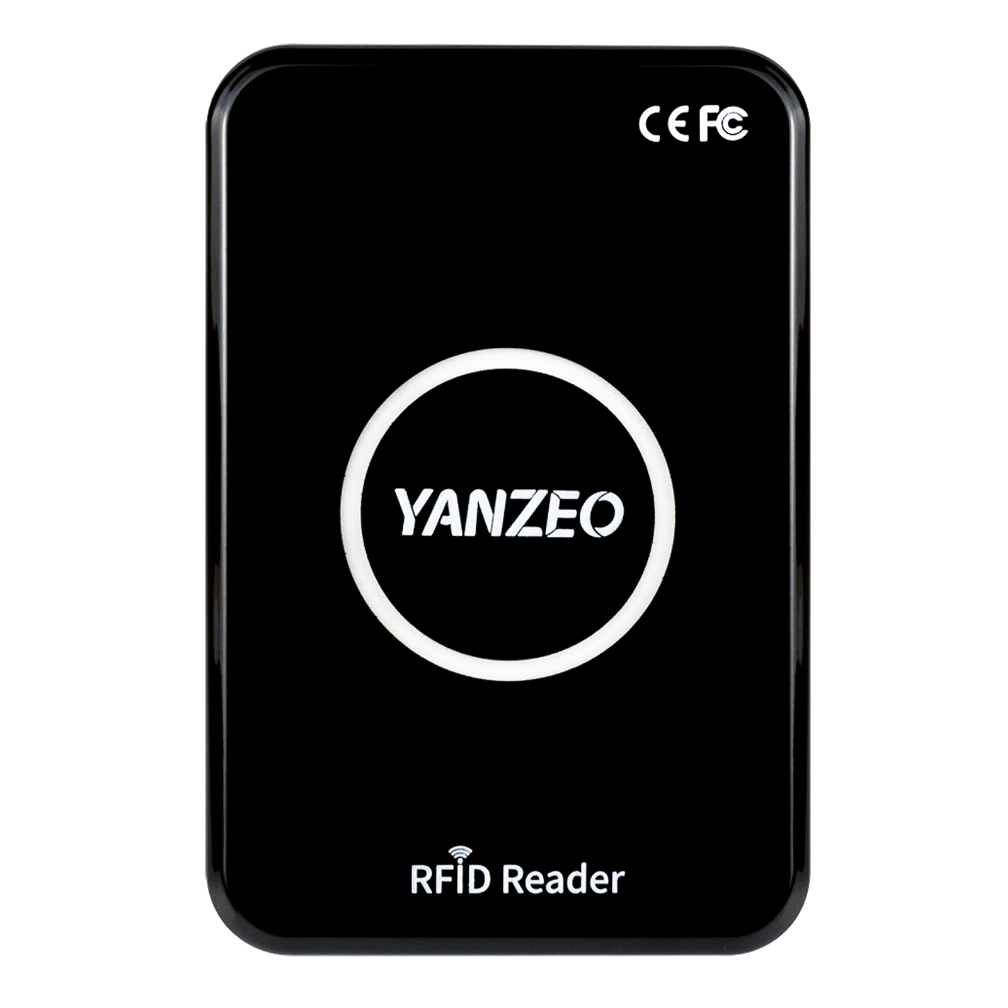
The application of RFID technology in animal husbandry management mainly includes identifying and tracking animal husbandry information, monitoring the breeding environment, and managing animal husbandry production. By installing RFID electronic tags on each animal and collecting information through RFID readers, it is possible to track, locate, and monitor individual animals in the farm. At the same time, a unified information file can also be established for animal husbandry, including variety, birthday, gender, vaccine injection status, etc., so that managers can have real-time understanding of the health and growth status of animal husbandry.
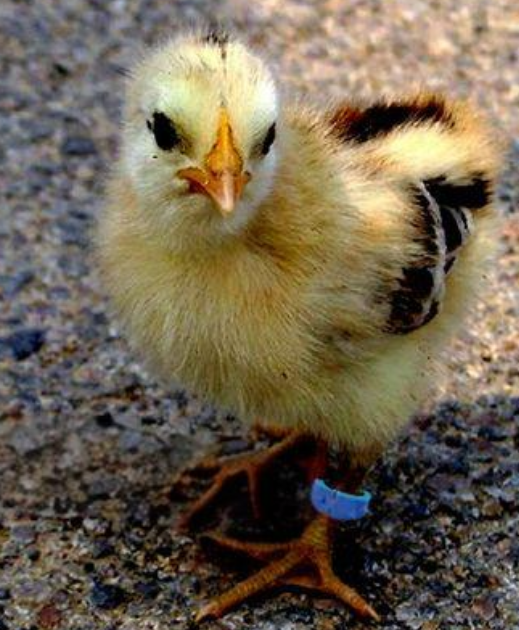
Behavioral habits of UHF RFID electronic tags tracking free range chickens
One of the largest producers of edible chicken in the United States, Purdue Farm, has been wanting to expand its free range chicken population to provide higher quality chicken and a better lifestyle for its flocks. This means that more and more farms will allow chickens to freely enter and exit chicken coops and peck at outdoor pastures, creating organic or free range pastures. It is reported that the company is conducting a project using RFID technology to track the behavior of free range chickens for a period of six months, in order to encourage ranch farmers to engage in outdoor free range farming.
Stuart Brown, Senior Vice President of Technical Services and Innovation at Purdue Farm, claims that 25% of the 12 million chickens produced by the company each week are free range. The expansion of this free range farming method means that farmers need to undergo extensive renovations of traditional chicken coops that cannot enter the external environment. The problem is, if a square hole is dug in the chicken coop and the pasture is fenced off, what will happen when these chickens exit from the hole.
RFID technology can not only track how many chickens are outside, but also track their living habits. "I want to know the differences between chicken flocks and how long they stay outside," Stuart Brown said.
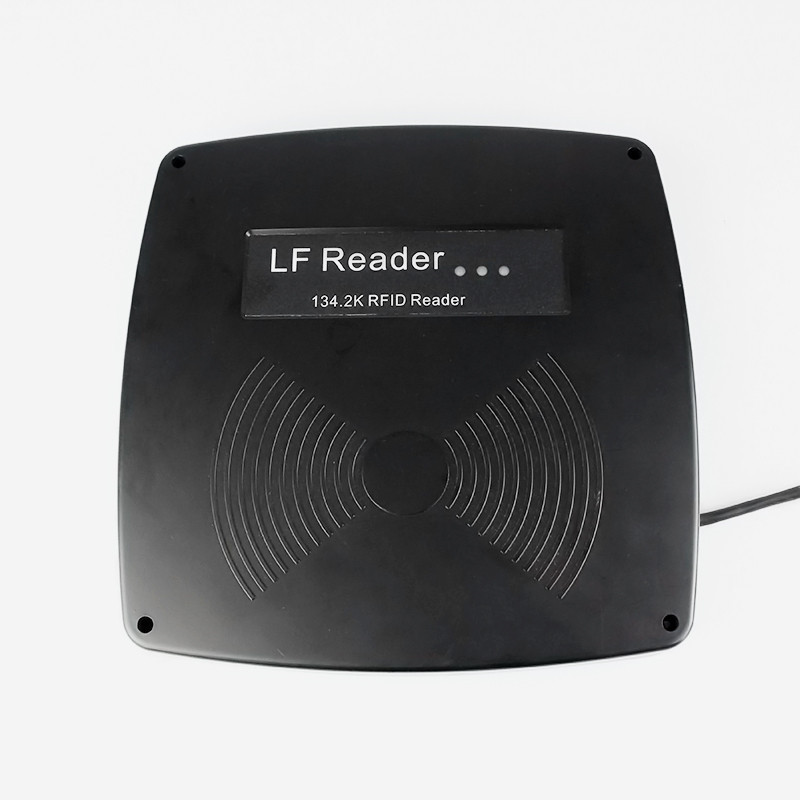
Six months ago, Purdue Farm began building a UHF RFID system at its testing farm in Salisbury, Maryland to understand the entry and exit of its free range chickens into chicken coops. It separates 1000 out of 5000 chickens into a dedicated RFID management space and assigns each chicken an RFID tag with a unique ID number. The square hole carved out of the chicken coop is 2 feet high and 4 feet wide.
Stuart Brown said, "Engineering has always been a challenge, more than we imagine. It sounds easy, but it's difficult to do because chicken behavior is unpredictable. Chickens wearing RFID tags typically approach square holes, then retreat, reverse, and swarm through them."
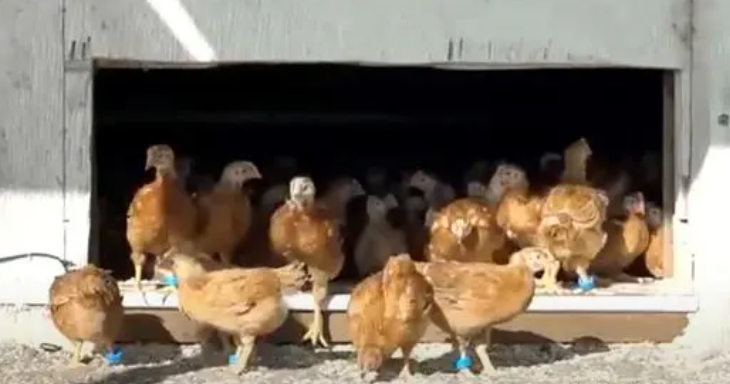
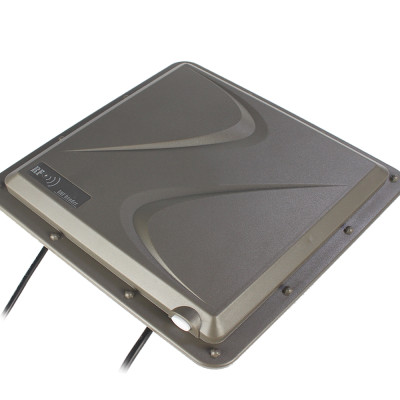
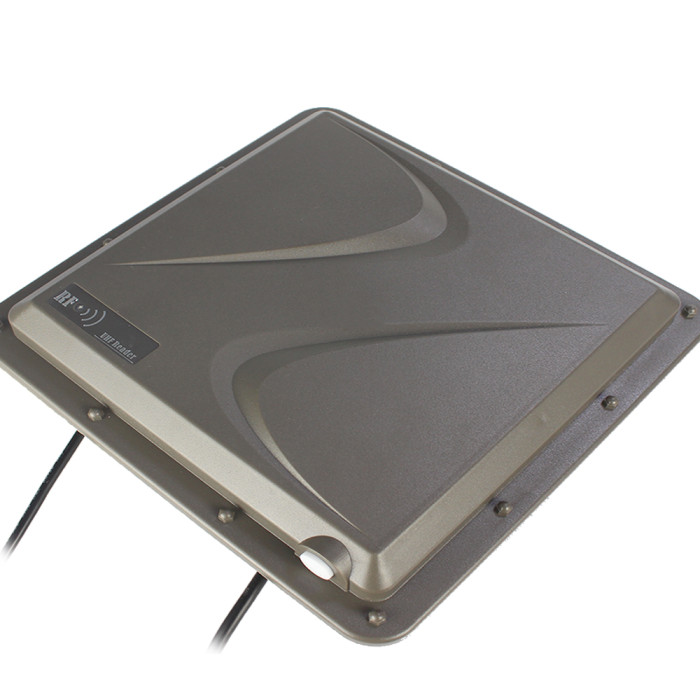
Perdue Farm discovered that due to the antenna being deployed too close to the ground, radio frequency energy was grounded. Therefore, it reconfigured the antenna and raised it to the bottom edge of the square hole, with the two antennas spaced approximately 4 inches apart to identify direction. Stuart Brown said that lowering this range is to prevent chaotic chicken tags from being skewed. In addition, the position of the two antennas can also cause radio frequency interference.
Perdue Farm is not only striving to determine the correct configuration of RFID reader antennas and RFID tag sizes, but also considering software options. The company is currently testing data collection on farms, and in the long run, it hopes to have remote access to information, making it easier to deploy the technology temporarily on numerous farms. For example, the company may build approximately 10 systems that can move between different sites. At present, the farm has approximately 800 free range chicken coops, each with approximately 20 square openings.