
Application of RFID Technology in Inventory Management of Medical Equipment Materials
- The global epidemic of the new coronavirus has rapidly and greatly increased the demand for medical care needed to fight the new coronavirus, which has put a lot of pressure on the supply management of medical supplies.
- RFID technology management solutions are crucial. It can combine automated processes with comprehensive data and accurate analysis to replace manual processes and greatly improve efficiency. RFID technology can help hospitals comprehensively and deeply understand information, so as to make more accurate medical diagnosis and ensure the safety of patients with the highest standards. For example, what supplies to buy and from where; where to reallocate inventory; the cost and risk of carrying unused or expired inventory; billing accuracy, and more.
- The Role Of RFID Technology In The Medical Supply Chain
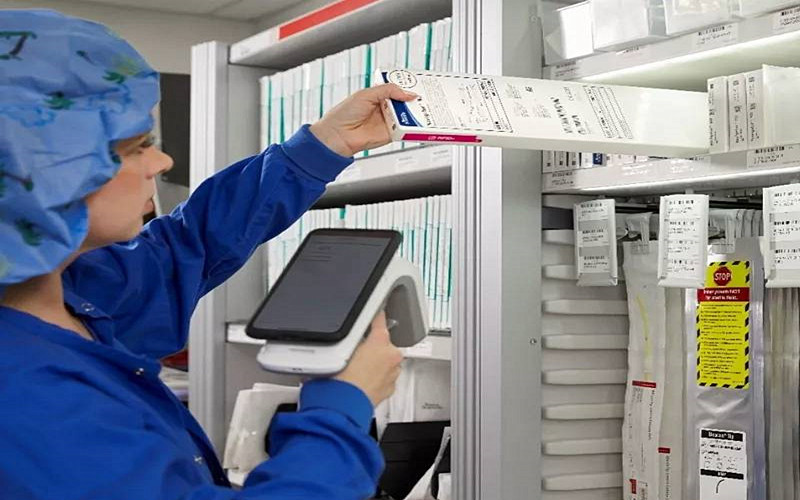
- RFID barcode solutions to improve work efficiency, reduce inventory waste and unnecessary supply chain expenses. While barcodes work well, manually scanning each item is labor-intensive and prone to human error.
- RFID systems can reduce the possibility of human error and capture data faster than barcodes alone. Reduce on-site time, save labor, and reduce physical handling of delicate products; improve chain-of-custody records, especially cold chain, tissues, and implants; and provide better visibility into the status of inventories and supply chains.

- Improve Inventory Management With RFID Internet System
- RFID technology can help change the way data is captured in the supply chain, enabling leaders to leverage data as a strategic asset. The data captured can support the modeling and control of predictive waste; an end-to-end information-connected and empowered supply chain; standardized processes across all supplier networks; enabling a center of excellence or a centralized governance model.
- RFID tracking also helps providers earn a fair return based on the quality of care provided by enabling efficient data capture at the point of care to identify and manage the "true" cost per case. Accurate data capture related to patient records that can provide a basis for analysis and insight to aid in decision making, including standardized decision making, help reduce variability in how care is delivered across the health care network, improve consistency, and help reduce unnecessary the cost of.
- The Advantages Of RFID Management Technology
- * Fast, accurate inventory readability; inventory registration accuracy
- * Reminders to identify lost and unregistered items
- *Reduce inventory management labor time and cycle count time
- * Less disruption to daily clinical workflow
- * Less product handling and lower product risk
- * Better workplace ergonomics, including reduced reach and bending in tight spaces in stat stock
- * Cumulative savings in the supply chain, especially in inventory costs and other advanced business economics
- * Increased inventory cost savings by correcting inventory levels and ensuring products are used before expiration
- Overall, the most unique benefit of RFID technology compared to any other technology is the ability to physically locate essentials in a complex inventory and crowded space, making it readily available when needed.